 By Marcus Chen
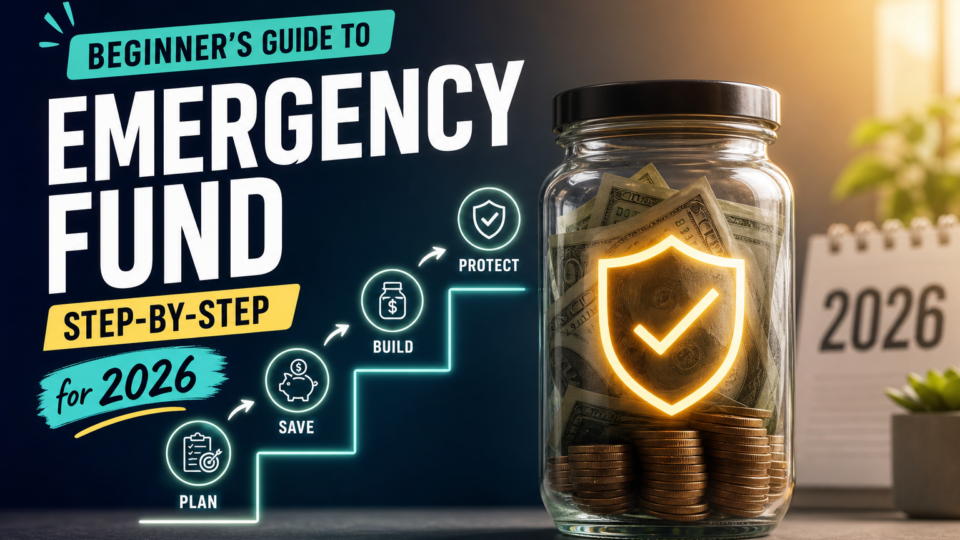
Imagine your car sputtering on the way to work, making a noise you’ve never heard before. Your first thought isn’t the repair—it’s the dread of not having anything set aside for surprises like this. For a lot of people just starting out, the idea of building an emergency fund sounds overwhelming. It feels out of reach when every paycheck is spoken for, and every financial article throws around numbers that look impossible. But the truth is, you don’t need to have it all figured out at once. Starting small is not just okay; it’s the best way to get moving.
Start Small: Why Your First Goal Should Be Manageable
Looking up emergency fund advice can leave you feeling like you need several months’ worth of expenses saved right away. But when your budget is tight, that goal can seem miles away. That’s why most experienced financial planners and big banks recommend a smaller, concrete target when you’re just beginning—often $500 or $1,000.
There’s a reason starting with a modest amount works. For example, setting aside $20 each week means you’ll hit $1,000 in under a year. That first milestone isn’t just about the number—it’s about proving to yourself that you can do it. Watching your savings grow in small jumps, like $50 or $100 at a time, gives you a sense of progress. If saving has always felt out of reach, hitting $500 or $1,000 can flip your mindset. Suddenly, saving more doesn’t seem impossible.
A smaller goal also fits the way most people build habits. It’s easier to stick with regular, bite-sized contributions than to chase a huge number. Every small win helps you build momentum, and soon saving feels less like a struggle and more like a routine.
Figuring Out Your Target Amount
Once you’ve built your starter fund, the next step is figuring out your long-term goal. The standard advice is to aim for covering three to six months of your basic expenses. If your job isn’t steady or you support others, stretching to nine months can give you more breathing room.
To find your own number, write down the essentials you’d need to cover if your income stopped: rent or mortgage, utilities, groceries, transportation, minimum debt payments, and insurance. Add up these basics for one month. If your monthly bills come to $2,000, then three months is $6,000, six months is $12,000, and so on. These numbers aren’t picked at random—they’re what you’d need to keep your household afloat if something unexpected happened.
If these totals feel intimidating, remember you don’t have to get there all at once. Focus on reaching your first $500 or $1,000. Then, use that momentum to keep building. Even saving enough for half a month’s expenses is a realistic win for many people, especially when you’re just starting out. Progress matters more than hitting the perfect number right away.
Where to Keep Your Emergency Fund
Where you stash your emergency savings is important. The best option is a separate, easy-access savings account—ideally a high-yield account that pays more interest than your checking account but still lets you get your money quickly.
Keeping your emergency fund separate from your main checking account isn’t just about neatness. It makes it less tempting to dip into your savings for everyday spending. Some people open their emergency fund at a different bank altogether, with no debit card attached. That way, you have to make a conscious transfer to use the money, which gives you time to think before spending it on something that isn’t urgent.
Don’t put your emergency fund in the stock market or any investment that could lose value. With this money, safety and access matter more than chasing higher returns. You want to know your cash will be there if you need it, without waiting or worrying about market swings.
Make Saving Automatic to Stay on Track
If there’s one tip that makes hitting your emergency fund goal more likely, it’s automating your savings. Setting up a recurring transfer from your checking account to your emergency fund means you don’t have to rely on motivation each month.
Let’s say you get paid every two weeks. You can open a savings account called “Emergency Fund” and set up an automatic transfer—maybe $50—each payday. The money moves before you can spend it, and after ten months you’ll have $1,000 set aside almost without noticing.
Some employers let you split your direct deposit, sending a chunk of each paycheck right to savings. Whichever method you use, be consistent. Treat your savings like a bill you pay before anything else. If you can, increase the amount now and then—even an extra $10 or a 1% bump makes a difference over time.
Making savings automatic also takes the stress out of the decision. You set it once and let it run, instead of debating each month whether or not to save. After a while, the habit runs in the background, and you’ll be surprised how quickly those deposits add up.
Growing Your Fund Faster: Extra Cash and Budget Tweaks
While slow and steady is reliable, sometimes you get a chance to speed things up. Unexpected money—a tax refund, bonus, or birthday gift—can give your emergency fund a real boost. For example, if you get a $1,200 tax refund and put half of it into savings, you’re $600 closer to your goal overnight. Some people go all-in and put every windfall into their fund until the starter goal is reached.
Extra income from side gigs also helps, especially if your main paycheck barely covers the basics. Driving for a rideshare company, freelancing, or babysitting on weekends—if you put all that extra money into your emergency fund, you’ll reach $500 or $1,000 much faster.
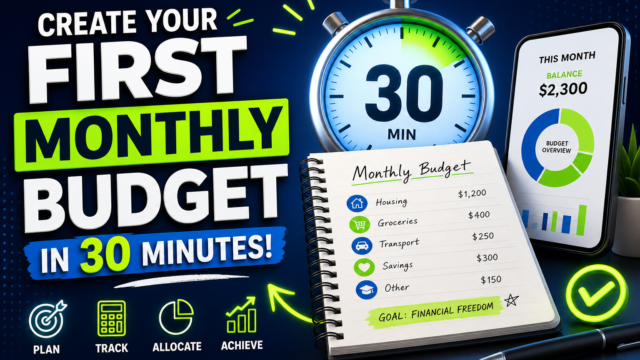
Your monthly budget is a powerful tool, too. Make your emergency fund a fixed expense—like rent or your phone bill—so you pay yourself first. If you can’t save as much one month, that’s okay. Adjust as needed, and look for small ways to make up the difference, like selling something you don’t use or picking up an extra shift.
After your fund is up and running, it helps to set clear rules for yourself. Decide in advance what counts as a real emergency—maybe losing your job, big medical bills, urgent car or home repairs, or last-minute travel you can’t avoid. Writing it down keeps you from raiding your savings for things like concert tickets or holiday shopping.
If you ever have to use your emergency fund, make a plan to build it back up. For instance, you might aim to replace the money within six months, either by increasing your automatic transfers or putting any extra cash straight into savings until you’re back at your target.
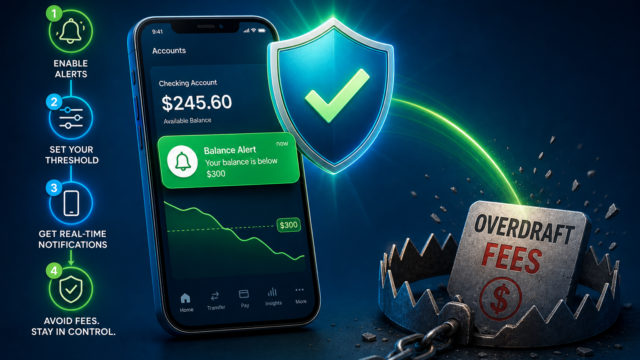
Tracking your progress matters. The Consumer Financial Protection Bureau (CFPB) has a free online calculator where you can plug in your goal and see how long it’ll take to reach it based on your savings rate. Checking in every few months keeps you focused and motivated. Some people set up bank alerts for milestones—$250, $500, $1,000—so they get a little celebration when they hit each one.
Building Momentum and Keeping Yourself Motivated
Sticking to your emergency fund plan is as much about attitude as it is about the money. Celebrate every step forward, even if it’s only $100 at a time. Each small success proves you’re building a habit that’ll stick.
There will be setbacks. Sometimes an unexpected expense will drain your fund, and it’s normal to feel frustrated. The important thing is to get started again right away—set a small new goal, automate your next transfer, and remind yourself that every deposit, no matter the size, gets you closer to peace of mind.
Some people like to keep a chart or spreadsheet so they can watch their progress. Others use banking apps for reminders and tracking. Find the system that keeps you engaged. Seeing the numbers go up, little by little, brings real reassurance that you’re ready for whatever comes next. The sense of security you gain is just as valuable as the money itself.