 By Marcus Chen
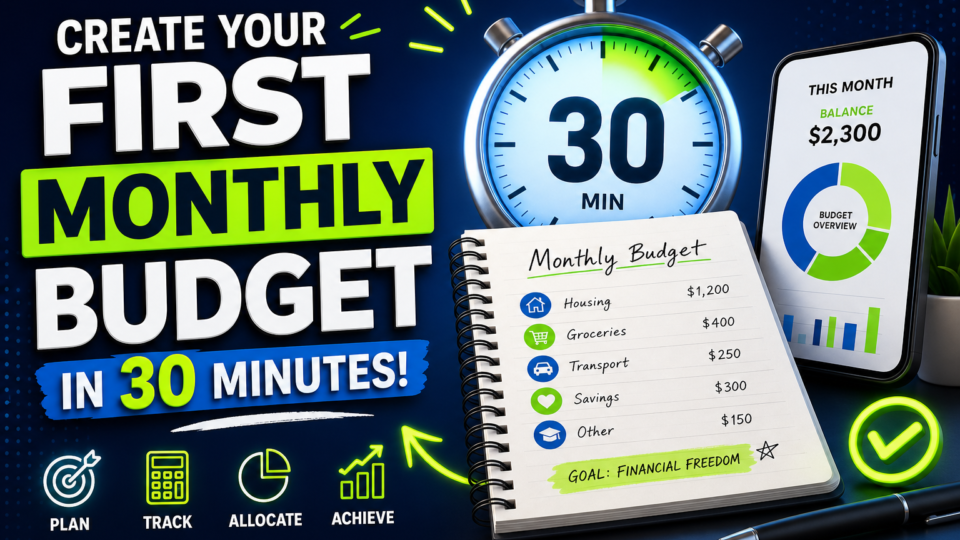
It’s a familiar scene: you open your banking app, see your balance, and wonder where all your money went. Maybe you feel embarrassed that you’ve never made a budget, or maybe the idea just sounds complicated and time-consuming. The truth is, you can set up your first monthly budget in just half an hour, no fancy tools or spreadsheets required. It’s not about restricting every dollar, but finally seeing where your money goes—so you can start making choices that actually feel good.
Kick Off Your Budget in 30 Minutes: What to Gather and Where to Start
The hardest part of making a budget is often just getting started. Set a timer for 30 minutes and begin by gathering two or three months’ worth of financial documents. Grab your most recent pay stubs, bank statements, credit card statements, and the regular bills you pay each month. If you get paid by direct deposit, logging into your bank app works just as well as paper records.
These statements give you a full snapshot of your income and spending. Don’t overthink it—just pile up what you can find. If you’re missing something, jot a quick note to check it later. The goal is to see the big picture, not to be perfect on the first try.
Once you have everything in front of you, clear a space at your kitchen table or open a new note on your phone. You’re ready to start building a budget that matches your real life, not some ideal version.
Count Your Real Income: The Net Pay Foundation
When it comes to income, what matters for your budget is what actually lands in your bank account each month—your net, or after-tax, income. That means the amount you have left after taxes and deductions, not the bigger number on your job offer letter. If you have side hustles or gig work, include the after-tax money you actually get from those, too.
If your pay varies from month to month, don’t stress. Add up what you earned over the past year and divide by twelve to estimate an average monthly amount. For those with highly variable income, it’s safer to use your lowest-earning month as a base, then add a small buffer if your income is trending up.
List each source of income clearly. Write down your main job, freelance gigs, tips, or any other money that hits your account. This real number becomes the foundation of your budget, so keep it honest and simple.
Spot Your Spending Patterns: Listing Fixed and Variable Expenses

Next, turn to your spending. Start by separating your expenses into two main lists: fixed and variable. Fixed expenses are the bills that don’t change much month to month—think rent or mortgage, car payments, insurance, and fixed-rate utilities. Variable expenses include groceries, gas, entertainment, dining out, and anything else that fluctuates.
To get a clear picture, look back at your bank and card statements from the last two to three months. This helps you spot patterns, like how often you grab takeout or how much those streaming subscriptions add up. If a category surprises you—maybe your coffee runs are more frequent than you thought—flag it for review.
Assign a realistic monthly amount to each expense category. You don’t need to be exact, just honest. If you pay some bills every other month or once a year, divide those costs to get a monthly average. This step shows you where your money goes before you even start cutting back.
The 50/30/20 Rule: Your Quick-Start Budget Formula
Now you’re ready for a structure that makes sense right away. The 50/30/20 rule is a favorite among financial educators because it’s simple and flexible. Start by taking your net (after-tax) income for the month. Allocate about 50% to needs—essentials like housing, utilities, minimum debt payments, and groceries.
Next, 30% goes to wants. This covers dining out, entertainment, hobbies, and those little extras that make life enjoyable. The final 20% is for savings or paying down extra debt above the minimums. This could mean transferring money to a savings account, building an emergency fund, or knocking out a credit card balance faster.
You don’t have to hit these percentages exactly, but they offer a clear target for your first monthly budget. If your needs eat up more than 50%, that’s a signal to review some categories or look for ways to boost income over time.
The Simple Three-Step Budget Test: Staying Above Zero
With your income and expenses listed, it’s time for the classic three-step check from Consumer.gov: list all your bills and expenses with amounts, list all your income sources, and subtract expenses from income. The answer should be zero or above—meaning you aren’t spending more than you make.
If your result is negative, don’t panic. Look for a few categories that can be trimmed right away. Dining out, subscriptions, and impulse purchases are usually the easiest places to start. Even small cuts in these areas can bring your budget back into balance.
If you’re positive but close to zero, consider cutting back in one or two variable categories or setting a goal to increase savings next month. The key is to adjust until your plan works on paper before the month begins.
A Real-Life Example: Your First Budget in Action
To illustrate how these steps come together, imagine a scenario based on a widely used budget template. Start with your net monthly income, then list your fixed expenses such as rent, utilities, minimum debt payments, and insurance. Next, add up your variable expenses, like groceries, gas, entertainment, and subscriptions. Subtracting your total expenses from your income shows whether you have money left over, are breaking even, or need to trim spending.
Many people find that using the 50/30/20 rule as a guide helps clarify how much to allocate for needs, wants, and savings. For example, if your fixed and variable expenses take up more than half your income, that’s a signal to review where you can adjust. If you have money left at the end of the month, direct it to savings or use it as a buffer for unexpected costs.
Your numbers may look different, and that’s perfectly normal. The goal is to see your cash flow clearly and make a plan that fits your real situation—not to match a one-size-fits-all template. As you track your spending and tweak your categories, your budget will get more accurate and useful each month.
Make It Stick: Tracking, Automation, and Adjustments
A budget doesn’t work if it lives in a drawer. Choose a simple tool that fits your style—a notes app on your phone, a paper notebook, a basic spreadsheet, or a free budgeting app connected to your bank account. The best tool is the one you’ll actually use every week.
Set aside 10 or 15 minutes once a week to check your progress. Review what you’ve spent, confirm which bills are coming due, and see if you’re over or under in any categories. If your grocery bill always creeps higher than planned, adjust next month’s budget to reflect reality. If you’re under in another area, move the extra to savings.
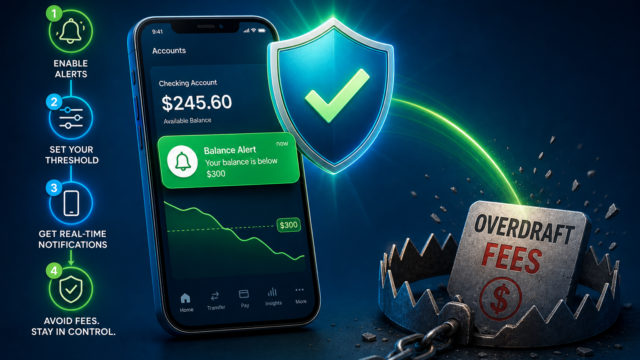
Automation can take out some of the stress. Set up autopay for rent and utilities, schedule an automatic transfer to savings on payday (even if it’s small), and enable bank alerts for low balances or big purchases. This way, you’ll avoid late fees and keep your plan on track with less effort.
Budgeting on Variable Income: Playing It Safe
For freelancers, gig workers, or anyone with unpredictable income, budgeting can feel like guessing. The safest approach is to use your lowest-earning month from the past year as your base income. Build your budget around this number, not your best month.
If your income is rising, you can add a small buffer to your base. This guards against coming up short if work slows down. During months when you earn more, put the extra toward savings or paying off debt faster. This method keeps you steady through ups and downs.
If you’re just starting out and don’t have a full year of records, use the past two or three months to estimate your average, and update your plan as you get more data. The goal is to avoid surprises and make your budget sustainable, even when paychecks are unpredictable.
Small Tweaks, Real Progress
Your first monthly budget isn’t set in stone. Each month, take a few minutes to review what worked and what didn’t. Did you underestimate groceries because prices crept up? Did you forget to include an annual subscription? Adjust those categories for next month.
Celebrate small wins—like remembering to transfer money to savings or cutting back on takeout for a week. Over time, these tweaks add up to real progress. You’ll start to feel more in control, less stressed, and more able to handle whatever life throws your way.
Sticking to your budget isn’t about perfection. It’s about paying attention, making regular adjustments, and building a habit that gets easier every month. With this 30-minute routine, you’ll move from feeling overwhelmed to having a plan that actually works for you.