 By Marcus Chen

Picture this: The rent is due on Friday, groceries are running low, and your checking account is down to its last $40. Even the idea of saving feels out of reach—how can anyone put money aside when every dollar already has a job? For millions of Americans, this isn’t just a rough patch; it’s the norm. And yet, the stress of not having a buffer for surprises only makes those tight weeks harder. If you’ve ever felt like there’s no way to save without skipping essential bills, you’re not alone. But building a small cash cushion isn’t about having “extra” money—it’s about shifting how your next paycheck works for you, one step at a time.
Setting a Realistic First Goal: The $1,000 (or One Month) Starter Buffer
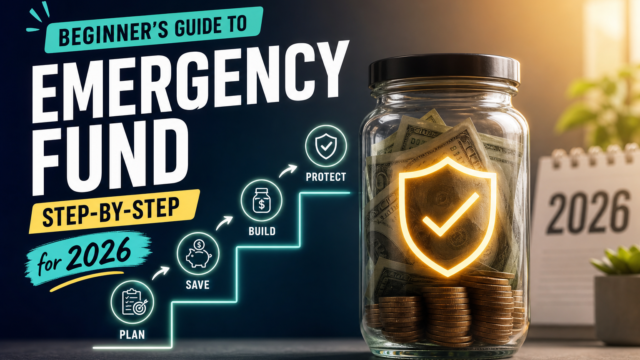
Before worrying about saving for six months of expenses or investing for retirement, focus on a goal that feels within reach. Financial institutions like Fidelity recommend making your first target $1,000 or one month of essential bills—whichever is higher. That means rent, utilities, groceries, medications, and transportation—not everything you spend, just what keeps you afloat.
Why this number? It’s small enough that you can chip away at it in tiny pieces, but big enough to cover a flat tire, a sudden prescription, or a week’s groceries if your hours get cut. Synchrony Bank also points out that people with unpredictable income, like gig workers, may need a bit more just to avoid a total scramble between jobs. The point is not perfection—it’s relief from that constant sense that one surprise could knock everything off track.
You don’t need to hit this buffer all at once. Even if you start by moving $20 or $30 per paycheck into a separate account, you’re already building momentum. The goal isn’t to save quickly but to start building the habit of paying yourself first, even in small amounts.
Budget Frameworks That Work Even When Money Is Tight
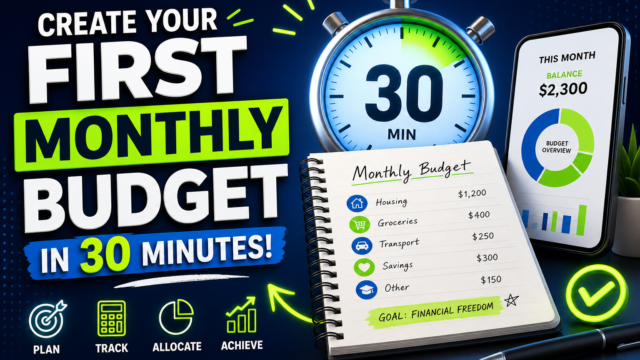
Traditional budgets often assume you can set aside a neat percentage for savings every month. But what if 80% or more of your paycheck goes straight to essentials? This is where adaptable budget frameworks come in handy.
Synchrony Bank suggests the 50-30-20 rule: 50% for needs, 30% for wants, and 20% for savings. Fidelity recommends a 60-30-10 split, with 60% for essentials, 30% for discretionary spending, and 10% for short-term goals and emergency savings. But these are guidelines, not rules carved in stone. When essentials take up more than 60% of your budget, it's okay to adjust the ratios—just focus on covering your needs first, automate a small amount for savings, and revisit wants only if there's money left.
Instead of trying to “fit” your life into a spreadsheet, try a paycheck triage method. List your essential bills and minimum debt payments due before your next check arrives. Allocate payment to your “Four Walls” first—housing, utilities, food, and transportation. After those are covered, make minimum debt payments and automate whatever small amount you can into a savings account. Only then, look at what’s left for wants or extras. Assigning every dollar a job, even if it’s just $10 for savings, keeps you in control.
Finding Extra Dollars: Trimming Expenses to Free Up Savings
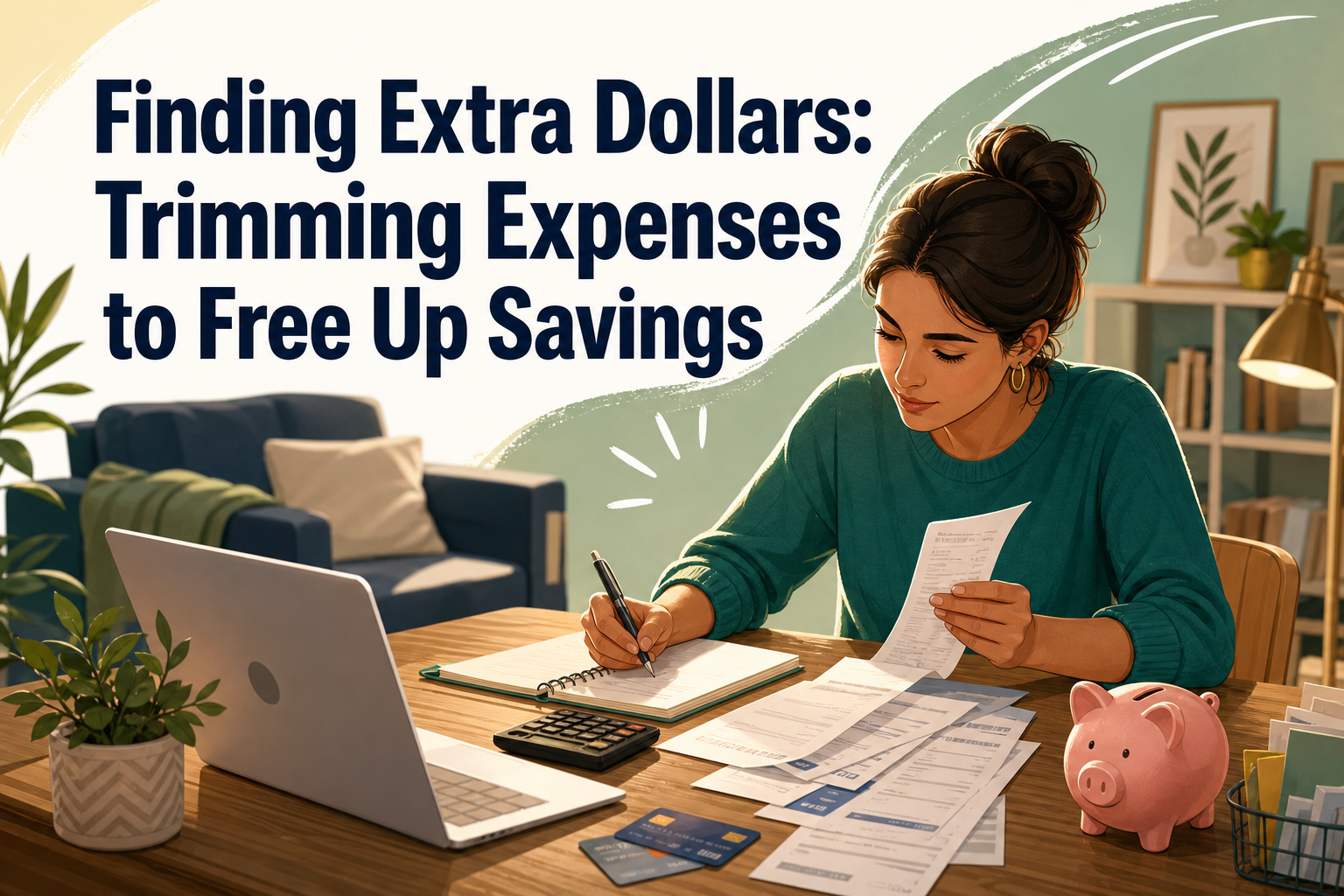
For anyone living paycheck to paycheck, the idea of “cutting back” can sound like a joke—what’s left to cut? But the Texas Bay Credit Union’s hands-on budget drill helps you uncover small leaks that add up. Start by pulling together last month’s pay stubs, bank and card statements, and every bill. List out your take-home income, your fixed and variable expenses, your debts, and any current savings contributions.
Now, scan for 1–3 expense categories where you might trim just a bit. Maybe it’s pausing a streaming subscription, switching to a cheaper phone plan, or capping takeout to once a month. The goal isn’t to eliminate all fun or comfort, but to free up $20–$50 per paycheck. That’s enough to start a savings habit without feeling like you’re punishing yourself.
If making any cut feels impossible, try a one-week challenge: Spend only on essentials and track every dollar. Sometimes just seeing where cash actually goes can spark ideas for small tweaks. And remember, you don’t have to get it perfect—just a little better than last month.
How to Free Up Cash by Tackling Debt Strategically
Debt payments can feel like a wall between you and savings, but paying down the right debts frees up room in your budget. PBS highlights the advice of financial expert Tori Dunlap, who recommends targeting high-interest debts first, especially credit cards. This is called the “avalanche” method—paying the minimum on all debts, then directing any extra dollars to the balance with the highest interest rate.
Alternatively, some find the “snowball” method more motivating: Pay off the smallest debt first, then roll that payment into the next debt, and so on. Texas Bay Credit Union suggests making all minimum payments as soon as your paycheck hits, ideally with autopay set up to avoid missed payments. As you pay off a debt, immediately redirect the amount you were paying toward your cash cushion fund instead of letting that money drift back into everyday spending.
If you’re juggling several debts, don’t wait until everything is cleared to start saving. Even $20 redirected from a paid-off card into your cash buffer each month makes a difference. Over time, you’ll notice breathing room start to open up.
Where and How to Save: Separate Accounts and Automatic Transfers
It’s tempting to keep all your money in one account, but having a separate, clearly labeled “Cash Cushion” fund makes a huge difference. Experts at Texas Bay Credit Union and PBS recommend opening a high-yield savings account (HYSA) at a bank or credit union insured by the FDIC or NCUA. This keeps your cushion safe, earns a bit more interest, and—crucially—puts a psychological speed bump between you and impulse withdrawals.
Look for an account that’s not tied directly to your debit card or everyday checking. You want to be able to transfer money online when truly needed, but not so easily that you dip into your cushion for pizza night. When you set up the account, automate a fixed transfer from each paycheck, even if it’s just $20 or $25.
Synchrony Bank calls this the “pay yourself first” approach. On payday, set up scheduled transfers so that within 24 hours, money moves from checking to both your minimum debt payments and your savings cushion. This removes the temptation to spend what you intended to save and makes building a buffer a routine, not a struggle.
Micro-Saving in Action: How Small Transfers Add Up
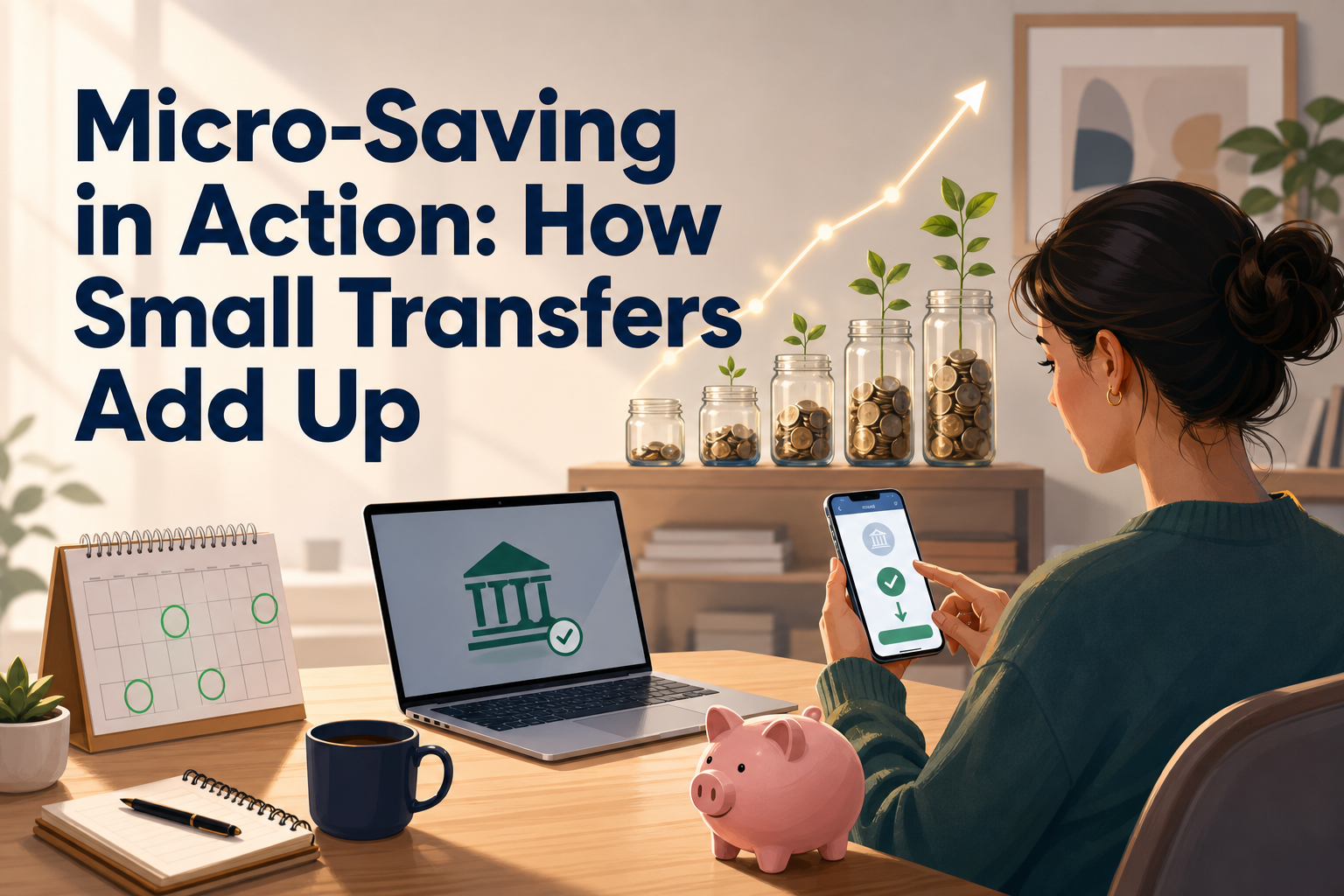
Maybe you’re still not convinced that saving $25 every other week could matter. Here’s what a real-life routine looks like, inspired by a 2026 YouTube payday budgeting video: A worker, after covering essentials and debts, schedules a $25 transfer from each biweekly paycheck into their “Cash Cushion” HYSA. That’s $50 per month—an amount that feels almost invisible in a tight budget.
After one year, that small step adds up to $600, plus any interest the HYSA earns. That’s enough to soften the blow of a car repair, a medical co-pay, or a few weeks of groceries in a pinch. And once the habit is set, you can nudge up the amount when a bill is paid off or a small raise comes through.
The key is consistency, not the size of the transfer. Even if you can only start with $10 or $20 per paycheck, regular automated savings build muscle memory—and a real safety net over time.
Building Peace of Mind, One Paycheck at a Time
The journey to build cash cushion living paycheck to paycheck isn’t about perfection or overnight success. It’s about carving out a little bit of space between you and life’s next surprise, starting from wherever you are. Setting a realistic starter goal, picking a budget method that fits your reality, shaving off small expenses, tackling debt with intention, and automating tiny savings steps all add up.
If you’re ready to take that first step, choose a number—$20, $30, or even $10—and set up an automatic transfer to a separate high-yield savings account labeled for your buffer. Then, keep going. Each paycheck, you’ll be moving a little further from the edge, and closer to the calm that comes with having a safety net you built yourself.