 By Marcus Chen

It’s tough not to feel a pang of frustration when your bank balance drops from fees that seem to appear out of nowhere. You try to stay organized, keep track of your spending, but then another mysterious charge pops up—“monthly maintenance,” “statement fee,” “out-of-network ATM.” Each one chips away at your money little by little, often without you noticing until it adds up. Here’s the good news: most of these fees are completely optional. With a few quick tweaks—things you can do in the time it takes to drink a coffee—you can start cutting them out today and take back control of your bank account.
Skip the Monthly Maintenance Fee
Most people see monthly maintenance fees as just the cost of having a checking account. In reality, many banks offer clear ways to waive these charges, but often don’t make those options obvious in their terms or app. The first step is to look up exactly what your bank requires to avoid the fee. The fine print can make a big difference.
Set aside a few minutes to check your account details through your bank’s website or app. If you can’t find the information, call the customer service line and ask directly: “What do I need to do to avoid a maintenance fee on my account?” According to PNC’s 2026 guide, banks often waive maintenance fees if you keep a minimum balance, set up a recurring direct deposit (like your paycheck), or complete a certain number of qualifying transactions each month. Some accept any one of those; others want a combination, so always check your account’s specific rules.
If keeping the minimum balance feels impossible on a tight budget, try setting up direct deposit for your salary or another regular payment. You can also automate small recurring transfers just to meet the activity requirement. Even moving a bill payment or transfer between accounts to a different date can make a difference. The key is to work these requirements into your everyday routine so you’re not paying just to access your own money.
Outsmart Out-of-Network ATM Fees
Paying for the privilege of withdrawing your own cash is one of the most annoying bank charges. You might be out somewhere, need cash, and the nearest ATM isn’t from your bank. Not only do you get hit with a fee from the ATM owner, but your own bank adds another fee for using an out-of-network machine. It might seem small, but if it happens a few times a year, it really adds up.
A practical fix is to make a mental map of your bank’s ATMs near your usual spots—home, work, the gym, your favorite grocery store. Most banks have ATM locators on their websites or apps, which help you plan ahead. If you notice you rarely see your bank’s ATMs, it could be worth switching to one of the newer online banks or credit unions that reimburse out-of-network ATM fees or partner with larger ATM networks to give free access.
Another tip that works: plan your cash withdrawals. Instead of pulling out small amounts several times, withdraw a bit more in one go from a surcharge-free ATM. Don’t overdo it—just enough to cover your typical cash needs for a week or two. This way, you’re less likely to pay a fee just because you needed cash at the wrong moment. With a little planning, using only fee-free ATMs becomes second nature.
Overdraft Fees Aren’t a Given
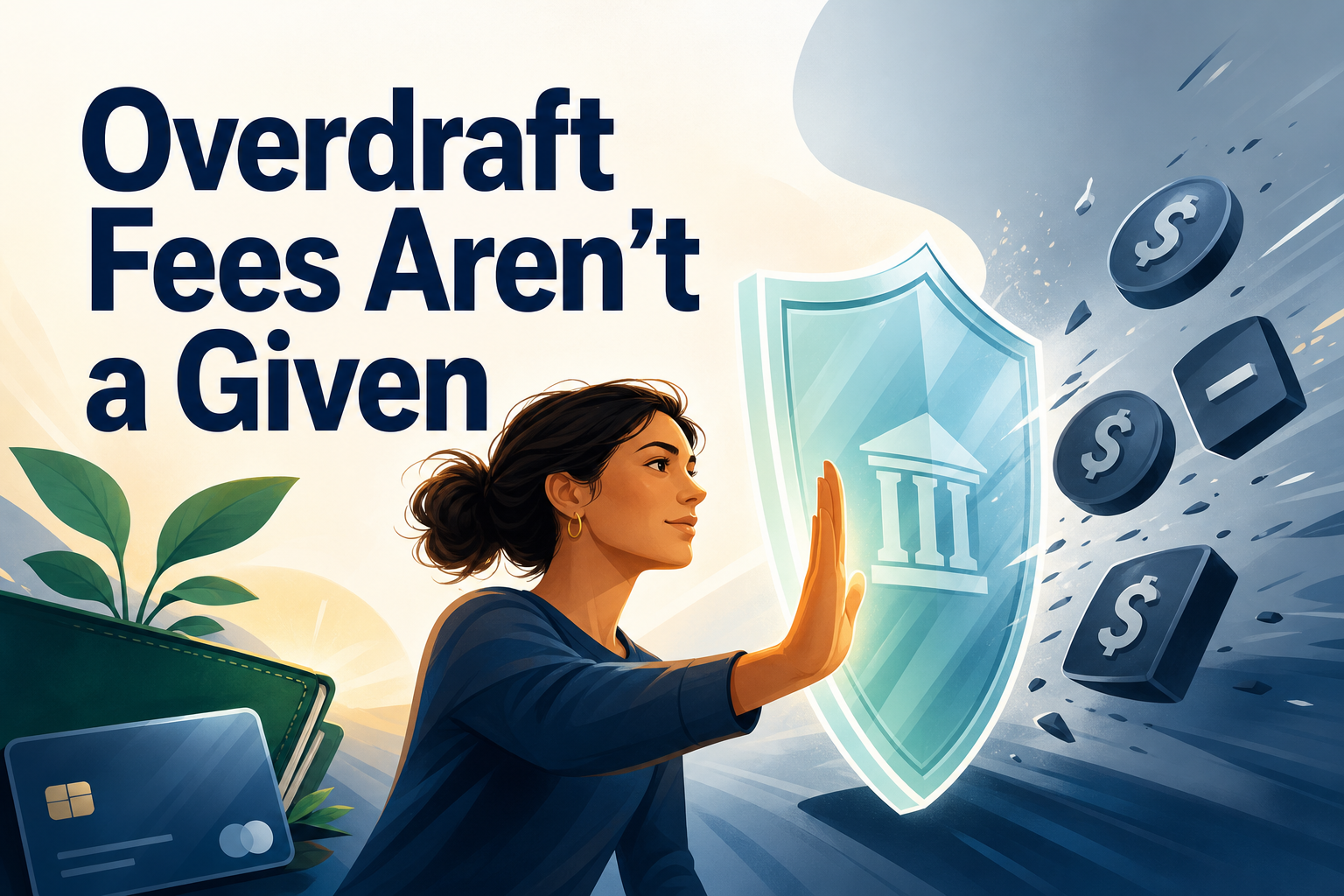
Overdraft fees sting, especially when your balance goes negative by just a few dollars. These charges feel like punishment for a simple math mistake or a transfer that cleared late. But you don’t have to accept them as unavoidable—how you set up your account makes all the difference.
Banks usually offer two main systems: overdraft coverage and overdraft protection. Overdraft coverage means the bank will approve charges even when you don’t have enough money, but they’ll add a fee each time. If you’d rather not risk any fee, you can tell your bank to simply decline transactions if there aren’t enough funds. In that case, your purchase won’t go through, but you skip the penalty.
Overdraft protection is a bit more forgiving. You can link your checking account to a savings account so if you come up short, the bank automatically transfers the difference. This transfer usually costs much less than an overdraft fee—and some banks even make it free. You can set this up online or by calling your branch. Take a look at your last few statements: if you see overdraft fees popping up more than once, switching to linked protection could save you real money. A quick adjustment now can wipe out one of the most expensive and common charges.
Avoid NSF Surprises
Non-sufficient funds (NSF) fees are a different headache: not only does your payment or automatic debit get rejected, but you’re also charged a fee for the trouble. In this case, the bank doesn’t cover the payment—they simply refuse it and take a fee from your account anyway. You end up with an unpaid bill and less money.
The best way to steer clear of NSF fees is to keep a small buffer in your checking account. List all your fixed monthly bills—rent, subscriptions, credit card payments, and any recurring debits. Then aim to always keep a little extra on top of that sum, even if it’s not much. That cushion helps protect you from a surprise charge or a bill that posts on the wrong day, so you don’t slip into the red and get hit with a fee.
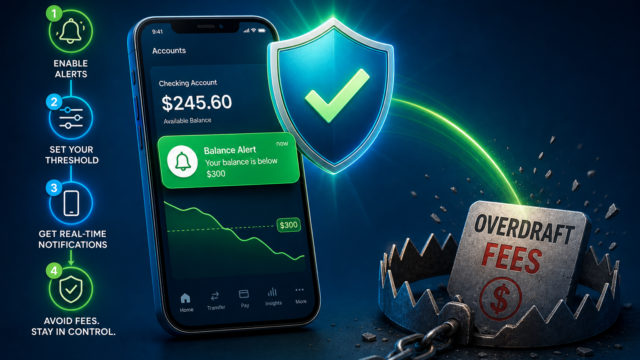
It’s also smart to enable low-balance alerts in your banking app. Most banks let you choose a minimum balance threshold that will trigger an email or text alert. Even if money’s tight, you’ll get a heads-up before major payments go through. Checking your statement at least once a month also helps you catch duplicate charges or unexpected debits that could signal a problem. Consistency is what separates those who stay on top of their accounts from those who get blindsided by fees.
Stop Paying for Paper Statements
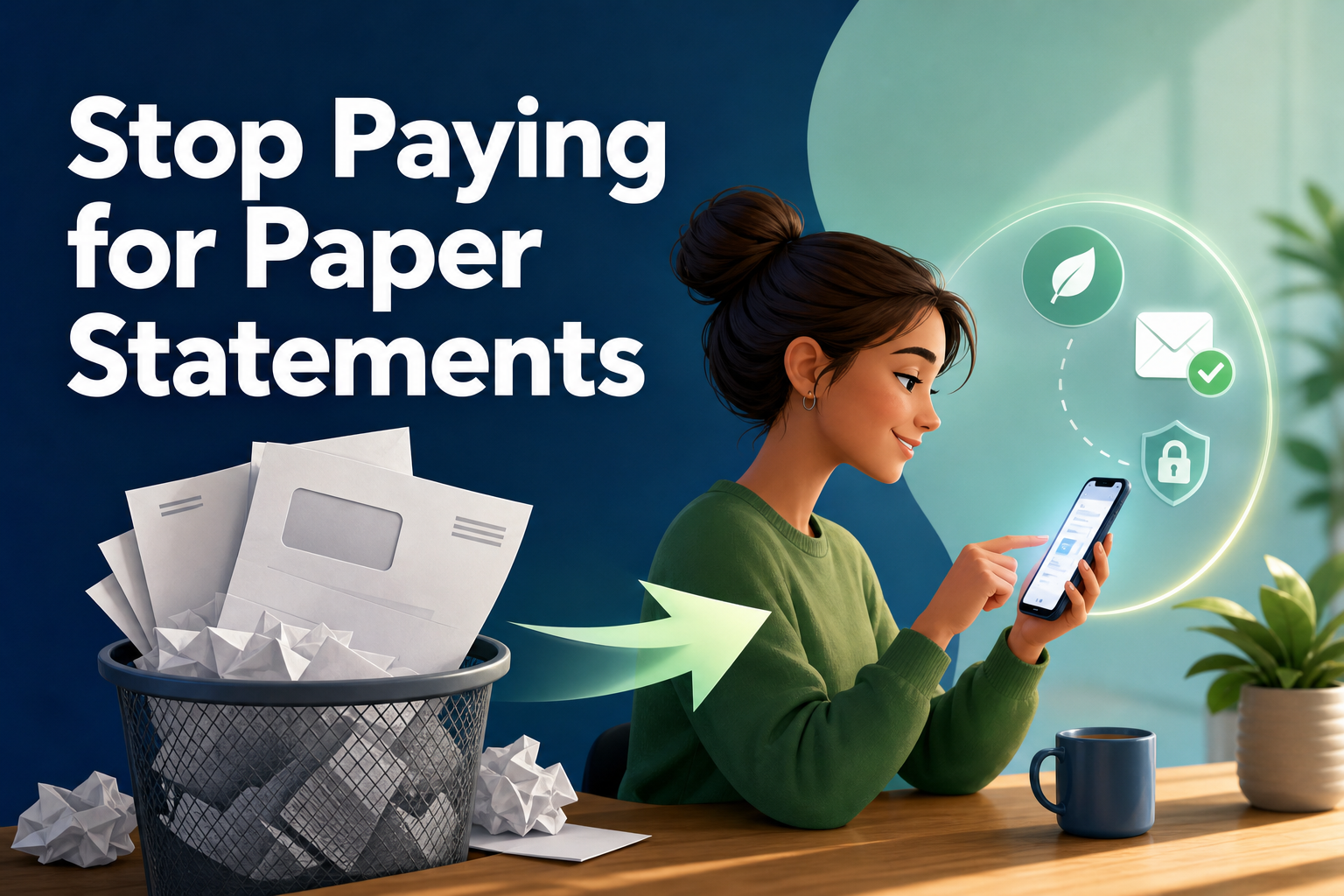
Paying for a paper statement might sound trivial, but it’s a recurring expense at many banks. The idea is to nudge people toward digital, but if you never update your preferences, those charges can add up—by the end of the year, it could have paid for a nice dinner or a streaming subscription. The upside: this is probably the easiest fee to get rid of.
Switching to e-statements takes less than five minutes through your bank’s website or app. Just find the settings section, look for “digital statement” or “opt out of paper,” and confirm the change. From then on, statements are available to view or download whenever you want—no waiting for the mail or dealing with piles of paper at home.
If you’re worried about missing something important, don’t stress. Nearly all banks send an email notification when a new statement is ready. You get the full transaction history, easy access anytime, and you cut out a monthly fee just for receiving paper. Plus, you’re helping reduce waste since there’s no unnecessary mail. This digital shift is simple, doesn’t affect your access to information, and stops a needless charge once and for all.
Take Control of Your Account Now
Taking charge of your bank account doesn’t have to be complicated or time-consuming. One of the smartest moves you can make is to spend half an hour reviewing your settings and spotting where fees are hiding. Start by checking which alerts you have set in your app, like low-balance warnings or unusual activity notifications. Then, scan through your last three months of statements and highlight any maintenance fees, ATM charges, paper statement costs, overdraft or NSF penalties.
For every fee you spot, note the reason and call your bank to ask how to avoid it next time. Customer service teams are used to these questions and can often help you update your settings right away. If you’re paying a maintenance fee, ask about qualifying for a waiver. If out-of-network ATMs are the problem, see if your bank offers reimbursements or has a locator for free machines.
Small changes—switching to e-statements, linking a savings account for overdraft protection, planning your ATM withdrawals, or keeping a small buffer—can help you cut fees you thought were just part of having a bank account. Think of these steps not as chores, but as shortcuts that put you back in control of your money. Try one or two tips today, and check your next statement for results. Avoiding common bank fees avoid today is easier than you think, and your bank balance will show it.