 By Marcus Chen
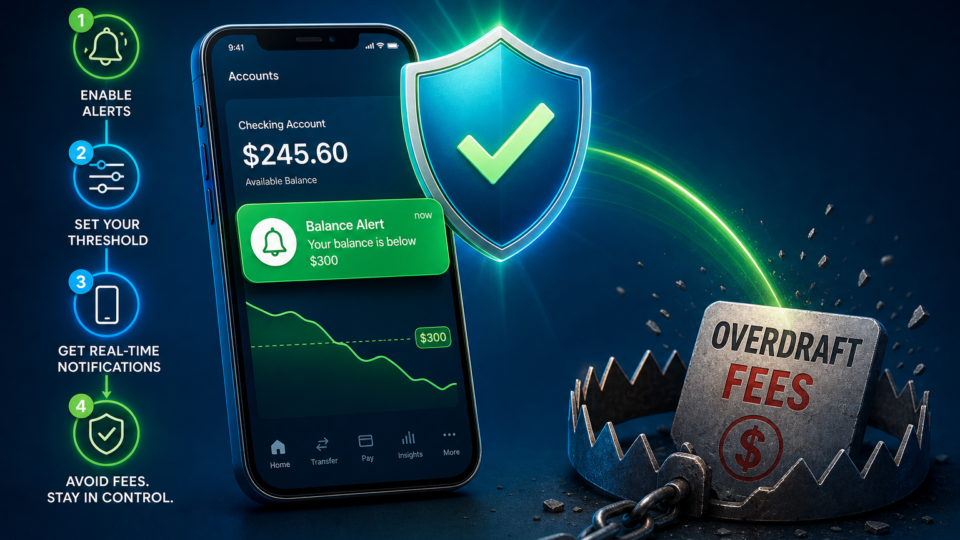
Your phone vibrates at 6:23 PM. “Low balance alert: Checking ending in 8543 is at a low amount.” You freeze. Rent is due tomorrow, and you just remembered a gym membership auto-pay set for midnight. If you’ve ever felt the jolt of anxiety from a low-balance notification—or worse, discovered an overdraft fee after the fact—you’re not alone. With bills, subscriptions, and card payments sometimes hitting at unpredictable times, it’s easy to lose track of what’s left in your account. But with the right balance alerts set up and a game plan for what to do when those dings hit your phone, you can sidestep most overdraft surprises and keep more of your money where it belongs.
How Chase Overdraft Assist and Fee Deadlines Work
Chase customers have a clear—but sometimes overlooked—advantage when it comes to avoiding overdraft fees. Their Overdraft Assist program gives a specific cushion: if your account is overdrawn by $50 or less at the end of the business day, you won’t get charged an Overdraft Fee at all. But if you go over that $50 threshold, you still get a shot to fix it—the deadline is 11 PM Eastern (8 PM Pacific) the next business day. That means if an automatic payment pushes your balance to negative $85 Wednesday afternoon, you have until 11 PM the following day to transfer or deposit enough to bring it to negative $50 or less.
Picture this: you’re at work and see a push notification that your checking account is overdrawn by $60 after a forgotten streaming bill posts. You check the time—it’s 4 PM. Instead of panicking, you know you have until tomorrow night to move $11 or more into your account. Maybe you transfer from savings or ask a family member to Zelle you some cash. As long as your account is only overdrawn by $50 or less at the end of that next business day, the fee is avoided. This grace period isn’t unlimited, but it’s a real second chance if you act quickly after an alert.
Chase requires you to set up these overdraft or low-balance alerts for each account separately, so don’t assume you’re covered if you only activated notifications for your main checking. Double-check your alert settings for every account where a surprise charge could hit.
Setting Up Balance Alerts That Actually Work
The real power of balance alerts isn’t in the feature—it’s in how you set them up. Most banks, including Chase and Bank of America, let you choose between text message, email, or app push notifications. The best alert is the one you’ll actually see: if you check email once a day but always have your phone in hand, choose push or text. It’s worth logging into your app and sending yourself a test alert to see which method grabs your attention.
When you set the alert threshold, don’t just pick zero. A notification that hits only when your account is already negative doesn’t give you time to fix things. Think about your usual spending: if you start to feel uneasy when your balance drops below $50, you might want to set your alert a little higher, so you have enough breathing room to act before a pending charge pushes your account into the red.
Setting up the alert typically goes like this: log in to your bank’s app or website, find the “Settings” or “Notifications” section, and select “Balance Alerts” or “Low Balance Alerts.” Choose the account, enter your preferred threshold, and pick how you want to be notified. At Chase, you’ll need to repeat this for each account you want to monitor. Some banks also offer transaction notifications, which provide a warning when your balance drops and a heads-up when a large payment posts.
Using Linked Accounts to Prevent Overdrafts
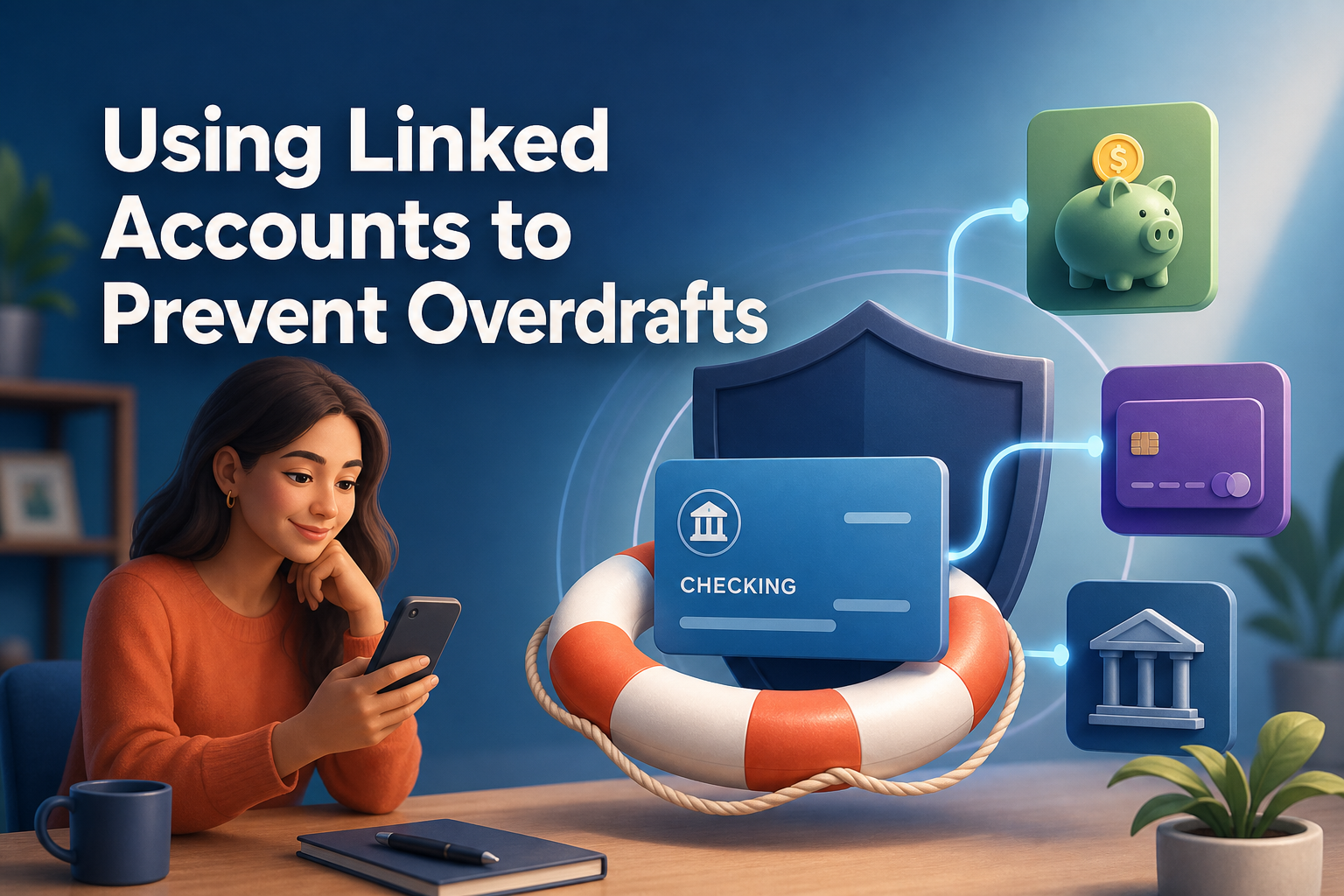
Even with the best alert setup, there will be days when a charge posts before you can move money. That’s where linking your checking account to a backup source—like a savings account, credit card, or line of credit—can help. Most banks offer overdraft protection transfers, automatically moving money from your linked account if your balance isn’t enough to cover a transaction.
Let’s say your low-balance alert goes off at $40, but you’re stuck in a meeting and miss it. Later that day, an electric bill payment of $70 posts, pushing you negative. If you’ve linked your checking to a savings account, the bank can automatically transfer the $30 shortfall to cover the payment. You’ll want to review your bank’s terms to understand any potential fees or conditions for these transfers, as costs and rules can vary.
If you have a credit card or an established line of credit, you can set that as a backup funding source for your checking. This can be a lifeline in urgent situations, especially if your savings are low. The key is to make sure your backup account has enough available funds or credit to actually cover any shortfall—otherwise, the protection won’t kick in when you need it.
Choosing the Right Overdraft Coverage for Your Needs
Banks often let you decide whether you want optional overdraft coverage for debit card purchases and ATM withdrawals. If you opt in, your card won’t be declined if you’re short on funds, but you could be charged an overdraft fee if the protection doesn’t apply. If you opt out, most debit and ATM transactions that would overdraw your account are simply declined—no fee, but also no payment.
Think about your daily habits. If you never want a card payment to bounce at the grocery store, opting in to overdraft coverage might feel safer. But if you’re fine with a card being declined instead of risking a fee, choosing to opt out could save you money over time. For checks and recurring payments, you’ll want to check with your bank how those are handled, as practices may vary and coverage decisions often mainly affect ATM and everyday debit card use.
Whenever your financial situation changes or you open a new account, log in to your bank’s app, head to the overdraft or account services section, and check what’s currently enabled. Make sure your choice matches your comfort with risk and your ability to cover any surprise charges quickly.
Proactive Habits to Stay One Step Ahead of Fees
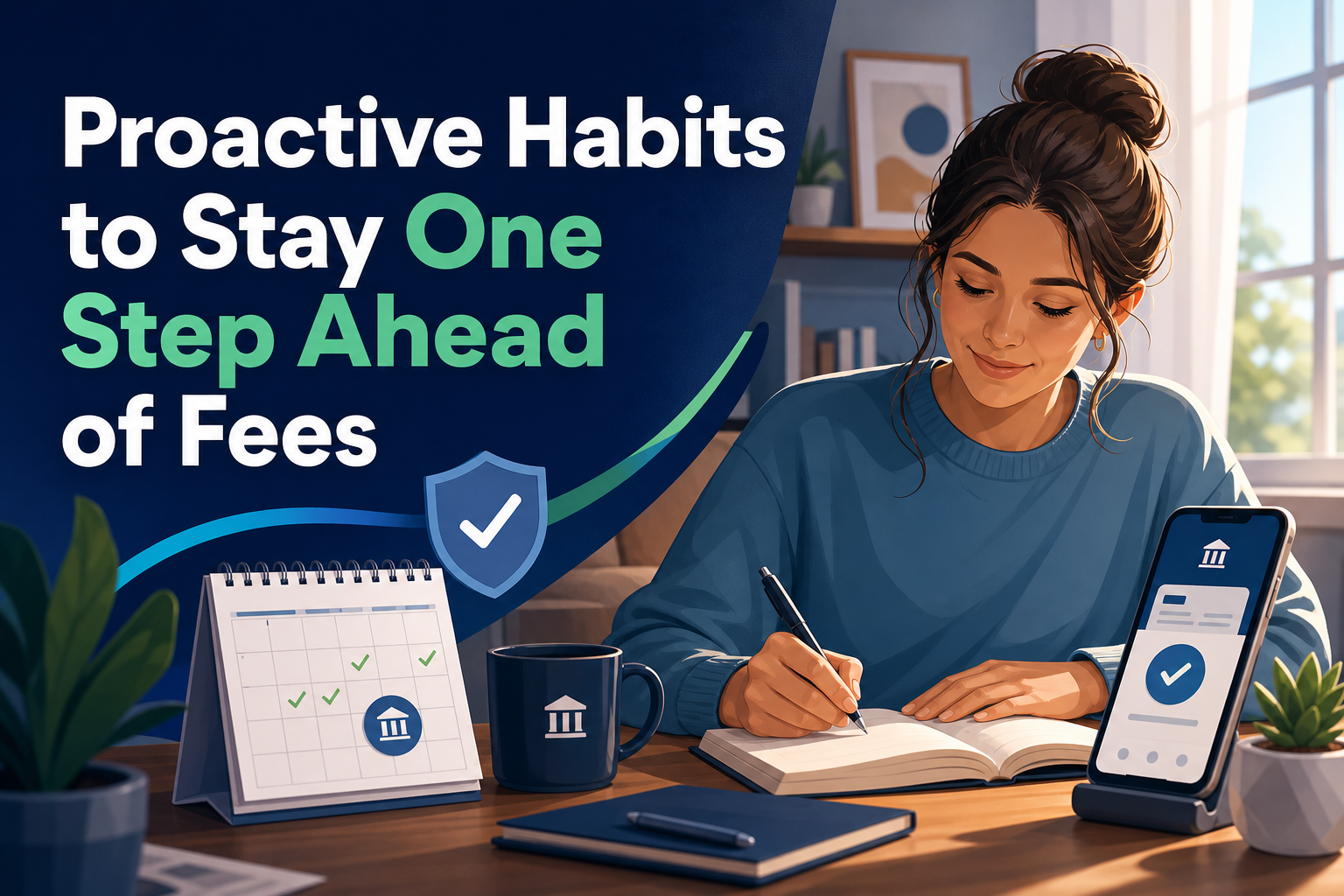
Relying only on alerts can still leave you exposed if you forget about a scheduled payment or don’t check your notifications. The American Bankers Association points out that most overdraft fees are avoidable with proactive account management. That means building a few simple habits into your week.
First, set your low-balance alert a little higher than zero—enough to give you breathing room. Second, make a habit of checking your account balance every few days, not just when you get a warning. Pair your alerts with calendar reminders for big automatic payments, like rent or car insurance, so you’re not blindsided when those amounts hit.
Direct deposit is another practical step: if your paycheck lands reliably before your bills are due, you’re less likely to run short. If you have multiple accounts or use more than one bank, take a few minutes each month to review all balances and transfer money as needed. Small routines like these can mean the difference between a quick transfer and an expensive fee.
Making Low-Balance Alerts Part of Your Routine
Getting notified is only half the battle—it’s what you do next that determines whether you get hit with a fee. When your phone dings with a low-balance warning, act as soon as possible. If you’re at work or busy, set a quick reminder to transfer money or deposit cash before the end of the business day. For Chase customers, remember that even if you miss the first deadline, you still have until 11 PM Eastern (8 PM Pacific) the next business day to bring your account within the $50 cushion.
If you know a payment is about to hit and there’s no time to transfer funds from savings, consider other options: can you temporarily pause a recurring charge? Is it possible to move a small amount from a backup account or use a payment app to add funds? Using these alerts as a prompt to check your transactions and calendar for pending bills can help you catch issues before they snowball.
Over time, responding promptly to low-balance notifications will start to feel automatic. You’ll recognize the patterns—when bills post, which days are tight, and how much buffer you really need to feel safe. That’s when balance alerts shift from being a stress trigger to a helpful part of your financial toolkit, letting you stay in control and avoid unnecessary charges.