 By Marcus Chen
Locking in a “guaranteed” certificate of deposit (CD) rate feels like a victory—until a small detail quietly chips away at your returns. It’s easy to picture yourself beating the market, only to discover months or years later that missing a better rate, ignoring fine print, or forgetting a calendar alert cost you real money. Even seasoned savers sometimes get tripped up by mismatched terms or a simple oversight. The upside? The most common CD mistakes are easy to fix, and a few changes can add up to hundreds of dollars saved.
Why Limiting Yourself to One Bank’s CD Rates Costs You
Most people open CDs at their usual bank out of habit. It’s familiar, convenient, and feels secure. But sticking with your main bank is often the first place you lose money. MoneyRates, a respected source for savings guidance, suggests checking CD rates at a minimum of five different banks or credit unions before making a deposit. Real-world comparisons show that a “special” rate from one bank is often beaten by a competitor, especially online.
Think about Sarah, who opens a CD at her long-time local branch and feels satisfied with her banker’s offer. Marcus, meanwhile, spends under an hour checking rates at a handful of banks—including two big online options—and finds a CD with a clearly higher yield. Over the same term, Marcus earns noticeably more interest, and it took him less than an hour to secure that extra cash.
The process isn’t complicated. List at least five banks and credit unions, including online-only options. Check their current CD rates for the term you want, and note any minimum deposits or conditions. Only after comparing all the offers should you decide where to put your funds. This habit alone can make a meaningful difference in your CD returns, especially when rates aren’t sky-high.
Picking the Wrong CD Term Can Trap Your Money
Choosing your CD’s term isn’t just about chasing the highest yield. If you lock up your money for too long, you might need it early—and early withdrawals can eat up your earnings or even cut into your principal. If you go too short, you may miss out on better long-term rates or end up moving your money around more than you’d like.
Alex found this out the hard way. He put his entire emergency fund into a five-year CD to get a slightly higher rate. A year later, his car broke down, and he had to withdraw early. The penalty took away nearly everything he’d earned, turning that “higher” rate into a loss. CBS News warns that you should never put more into a CD than you can leave untouched for the entire term.
Here’s a quick way to avoid that mistake:
This keeps you flexible and reduces the risk of painful early withdrawal fees.
The Real Price of Early Withdrawals
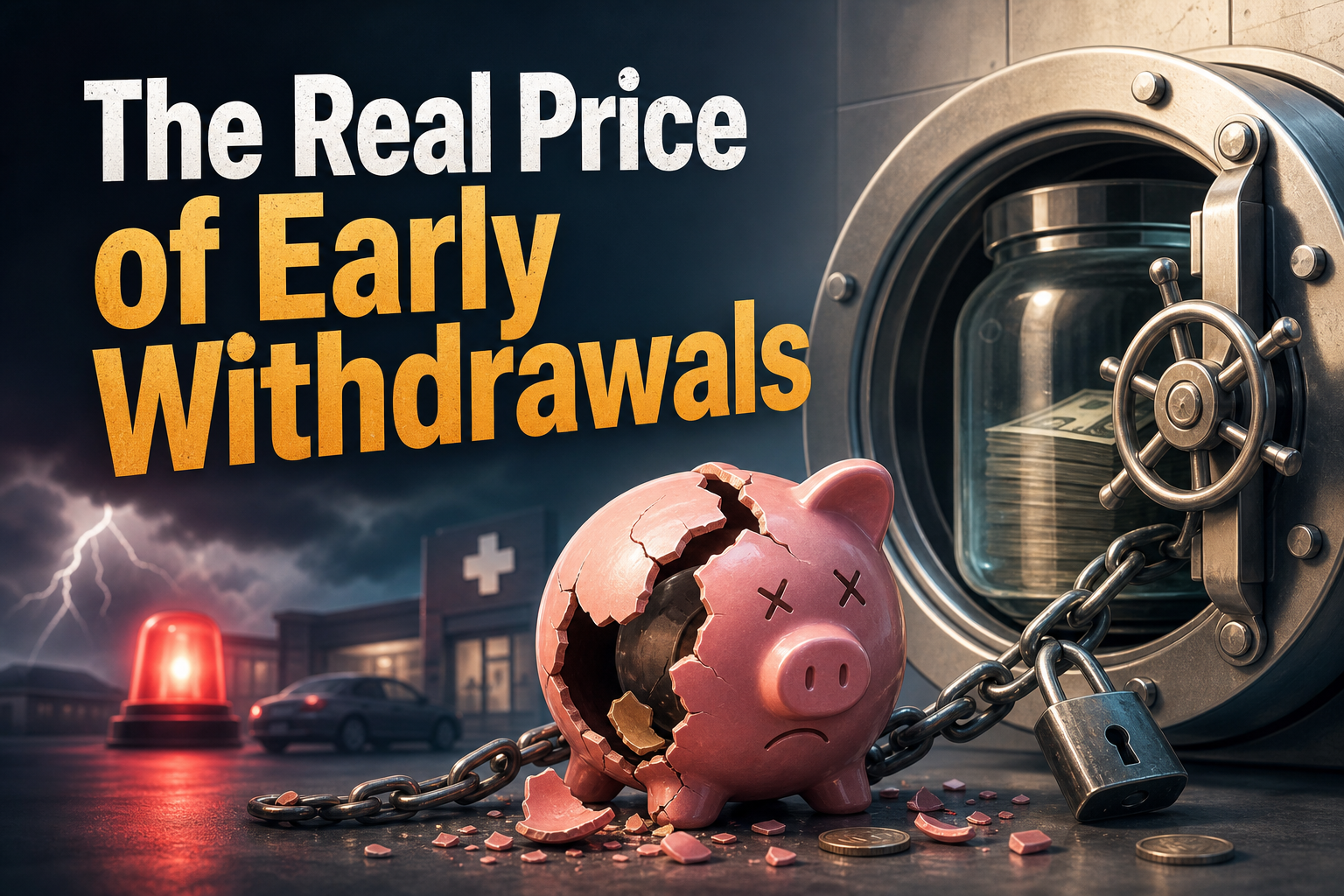
CDs are meant for money you can set aside without touching, but life doesn’t always follow your plans. Early withdrawal penalties can be steep—sometimes wiping out nearly all the interest you’ve earned, or even dipping into your principal for larger withdrawals. If you put too much into a long-term CD and need to pull out funds for an emergency, the penalty can erase most or all of your expected interest, leaving you with little or no net gain.
CBS News highlights how putting too much in a long-term CD can backfire. It’s a common story: someone feels sure they won’t need the money, only to get hit with an unexpected expense. The penalty rules aren’t always obvious, but they’re enforced the moment you make an early withdrawal.
Always check the early withdrawal terms before you lock in. Some banks penalize just a few months’ interest, while others may take almost everything you’ve earned. If you’re at all unsure about your timing, keep that money in a more flexible account.
Teaser Rates and Renewal Traps Can Drain Your Returns
Many CDs hook savers with flashy introductory rates, but the danger is what happens when the term ends. If you ignore the maturity date or don’t check the renewal terms, your CD can roll over at a much lower rate—sometimes less than half of what you started with. Over several years, this can quietly drain hundreds of dollars from your expected returns.
Priya’s story drives this home. She opened a 12-month CD with a great teaser rate at a regional bank and was thrilled with her first year’s interest. But when she forgot to act before maturity, her CD automatically renewed at a far lower rate. By the time she noticed, she’d already missed out on better options.
The fix is easy: set a calendar reminder for every CD maturity date. When the time comes, check current rates at other banks before renewing. Always check if your CD will roll over automatically and at what rate. This small habit can protect your earnings.
Why Your Emergency Fund Shouldn’t Be in a CD
Blending your emergency fund with CD investments is a common CD mistake that can lead to trouble. CDs are best for money you can leave untouched. Emergencies, by definition, can pop up at any time. If you tie up your emergency fund in a CD, you risk having to withdraw early and pay penalties—possibly even dipping into your principal.
Both Slickdeals Money and MoneyRates recommend keeping your emergency fund in a high-yield savings or money market account, where your cash is always accessible with no penalty. Once you’ve covered your emergency stash, use CDs only for money you’re sure you won’t touch until the term ends.
This gives you peace of mind and keeps your finances flexible when life throws something unexpected your way. You might earn a little less on your emergency fund, but avoiding penalties makes up for it.
Don’t Skip the Details: Online Banks, Insurance, and Minimum Deposits
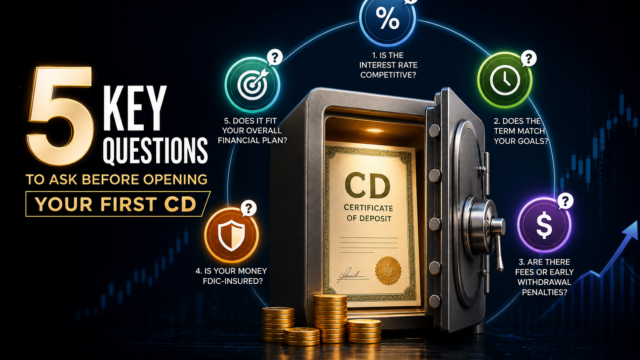
Many savers lose out or face avoidable risks by overlooking the fine print. Not all CDs are alike. Some require large minimum deposits, others are available only through online banks, and some aren’t FDIC insured.
Before you open any CD, double check these important details:
Online banks often pay higher rates than brick-and-mortar banks, but always confirm they’re reputable and insured. Spending a few extra minutes making these checks helps you avoid nasty surprises and puts you in line for the best deals.
The Highest Rate Isn’t Always the Best Deal—Read the Fine Print
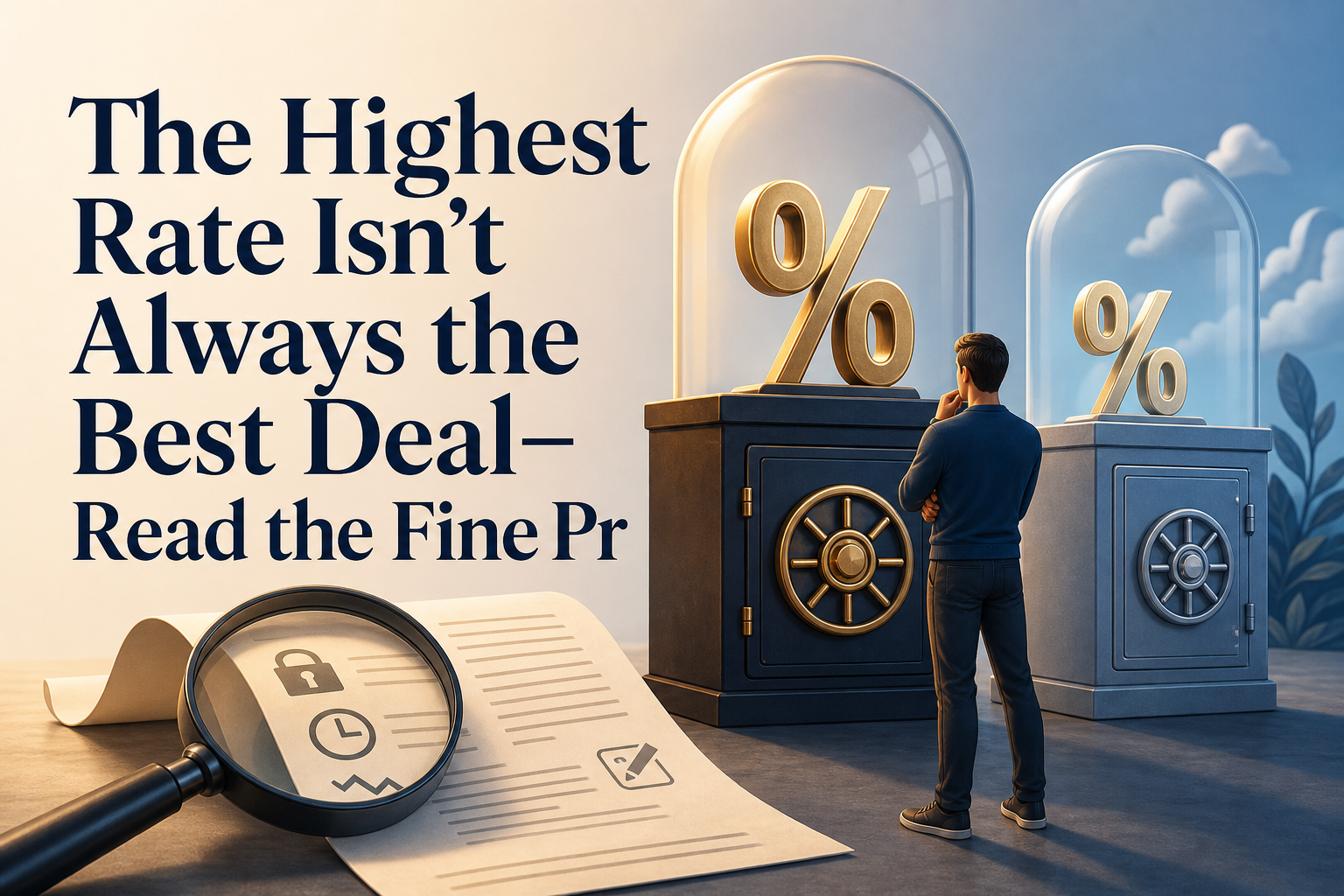
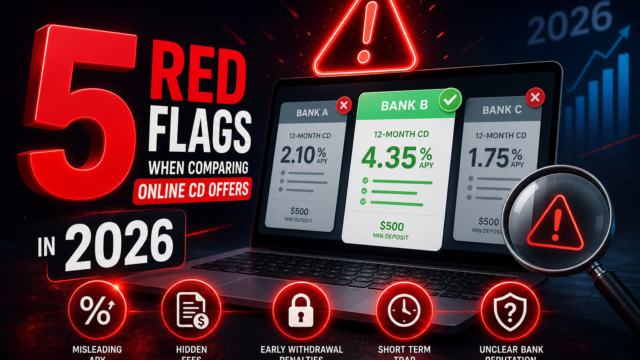
It’s tempting to chase the CD with the highest advertised rate, but those offers often come with hidden catches. Some have stiff early withdrawal penalties, “call” features that let the bank close your CD early, or teaser rates that drop sharply after the initial period.
For example, compare two offers: one CD has a slightly higher rate but includes stiff early withdrawal penalties and a callable feature at the bank’s discretion. The other has a slightly lower rate, but more flexible terms and no callable feature. If you need access to your money or the bank calls your CD, that “better” offer can actually cost you.
MarketWatch offers a checklist that’s worth using every time you consider a CD:
Taking a few minutes to read the fine print protects your savings and helps you make a confident choice.
Simple Habits to Make CDs Work for You in 2026
Getting more from CDs isn’t about finding a secret—it’s about a few smart routines. Start by checking rates at a mix of banks, not just your usual one. Use a calendar to track every CD maturity date, so you don’t get stuck in a low-rate rollover.
Keep your emergency fund separate in a liquid account, and only lock away cash you truly won’t need until the CD matures. Before opening any CD, confirm the minimum deposit, verify the institution’s insurance status, and read all the terms. Building a CD ladder—with different maturity dates—keeps your money working and gives you regular access if you need it.
CDs can be a great part of your savings plan, but only if you avoid these common pitfalls. A few careful habits put more interest in your pocket and let you make the most of every dollar.