 By Marcus Chen
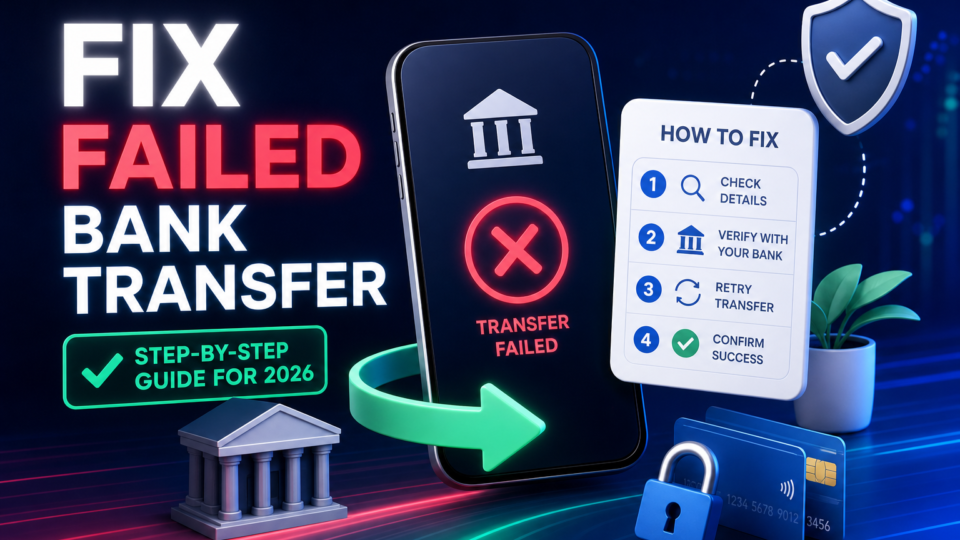
You finally hit “send” on that transfer—maybe it’s rent, payroll, or a payment to a family member overseas—and wait for the relief of a confirmation. Instead, your phone stays silent. A few minutes pass, then a day, and the money hasn’t arrived. You double-check your app, anxiously scan your inbox, and start wondering if the funds are lost for good. Few things spike your stress like a failed bank transfer when you need the money to move now.
The most common reasons your bank transfer fails
The most frequent culprit behind a failed transfer is a simple typo. Enter one wrong digit in the recipient’s account number, routing number, or SWIFT code, and your transfer might bounce instantly. Even an extra space in the recipient’s name can cause some banks to reject the transaction outright. It’s a surprisingly unforgiving system—financial institutions flag mismatches to prevent money from ending up in the wrong hands.
Many digital banks and neobanks also require that all beneficiary information be completely accurate. For example, if you’re sending money via SEPA and the recipient’s name on your transfer doesn’t match their account name exactly—especially for payments leaving the Eurozone—the payment will fail. This is especially strict for business accounts or international wires, where compliance rules are tight and mistakes are not forgiven easily.
Another common issue is missing or incomplete beneficiary details. For international transfers, banks often require not just the recipient’s account number, but also details like the SWIFT/BIC code, bank branch code, or full address. If any of these fields are skipped or completed incorrectly, the transfer may be delayed or rejected at some point along the chain.
How to spot and fix transfer limits and card issues
Most digital banking apps set daily or monthly transfer limits, both for security and compliance. If you try to send more than your allowed limit—even by a few cents—the transfer will fail without warning. This can sneak up on you, especially if you’ve made a few transfers already this month and don’t realize you’re close to the cap. ING and BMO, for example, both flag transfers that exceed your card or account limits, forcing you to either wait for the limit to reset, lower the transfer amount, or formally request a limit increase through the app.
Another easy-to-miss problem is expired or recently replaced cards. If you changed your debit or credit card (say, after it expired or was lost), but forgot to update the payment method for your outgoing transfer, the attempt will fail. This is particularly common with recurring payments or payroll batches.
To check for these issues, open your bank or neobank app and look for the section on transfer limits—usually under account settings or security. If you suspect a card issue, verify the expiration date and card number in your payment method details, and update them if needed. Always review these settings before retrying a failed transfer, especially if you’re using a new or replacement card.
What happens in digital banks when a transfer is interrupted (with the N26 example)
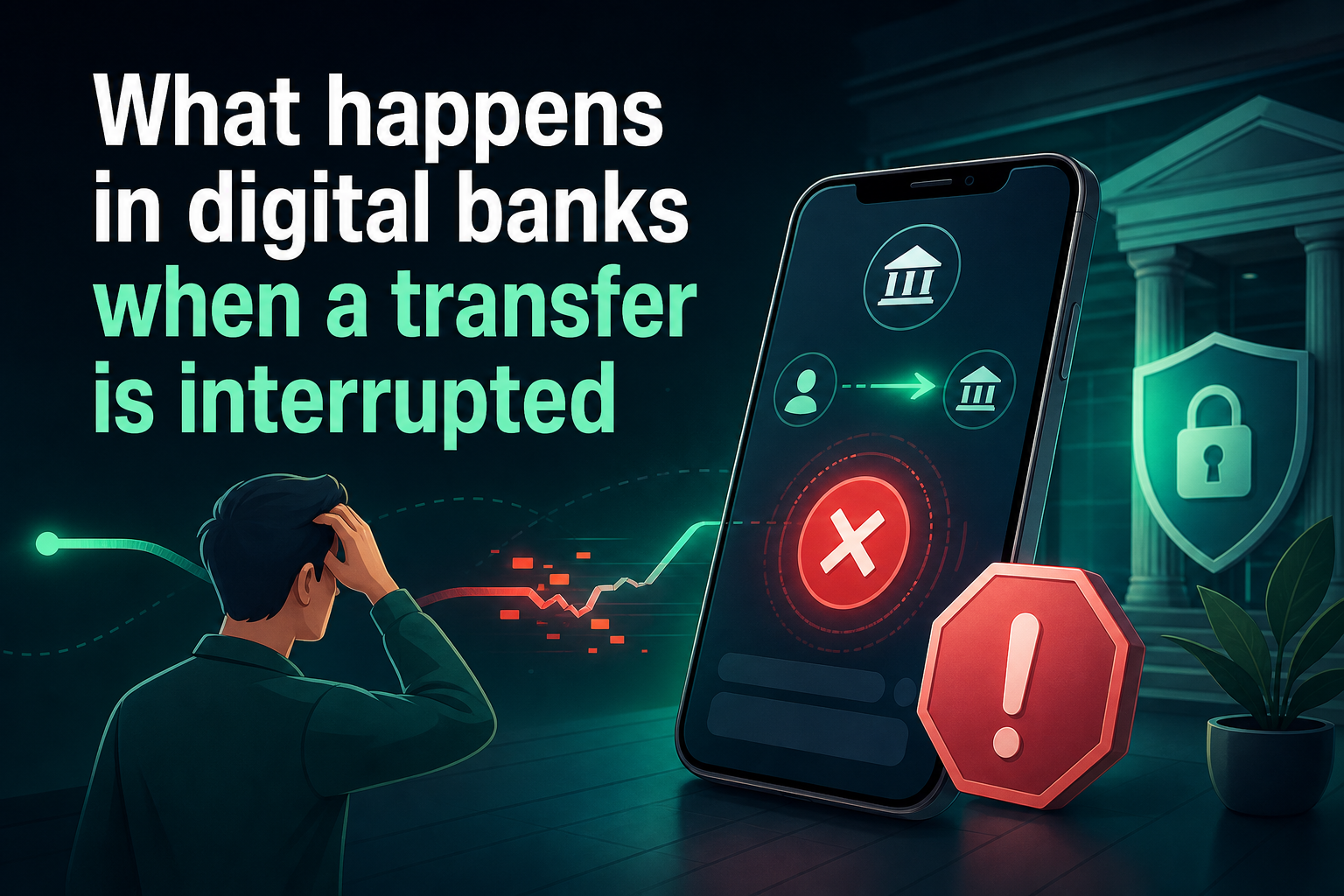
In the world of digital banks, transfers can fail for reasons unique to their technology. A concrete example is N26’s SEPA transfer confirmation process. When you initiate a SEPA transfer, N26 requires you to confirm the transaction with a push message in the app. If you don’t confirm within 10 seconds, the whole operation is canceled automatically, and the money is instantly restored to your N26 account.[S3]
This auto-cancellation policy helps protect against accidental or fraudulent transfers but can catch users off guard. If your phone is on silent, or you miss the notification entirely, the transfer won’t go through. You might not even realize what happened until you check your transaction history and see a canceled status.
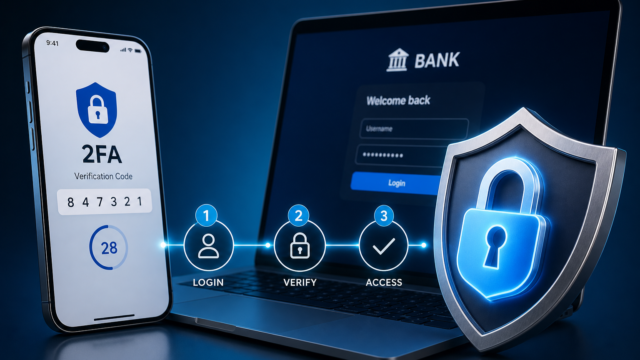
Most neobanks have similar real-time confirmation steps—either via app, SMS, or email. Always make sure your device notifications are enabled and your phone isn’t in Do Not Disturb mode during the transfer process. If you suspect you missed a confirmation, check your app’s recent activity and try the transfer again, watching closely for any required approvals.
Special transfer rules that can block your payment
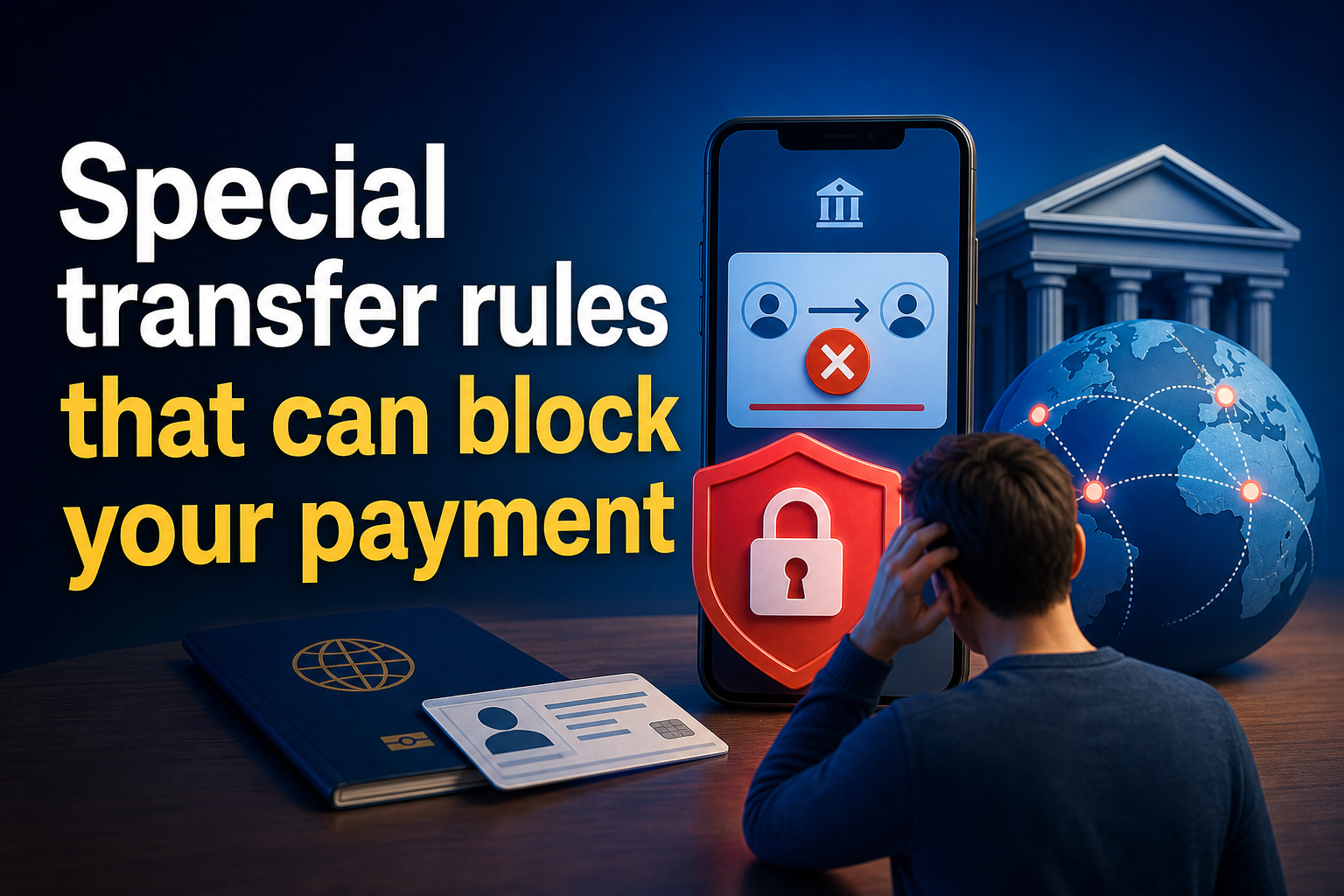
Some rules are less about typos and more about the fine print banks rarely advertise. For instance, SEPA transfers require the recipient’s name to match the account name exactly as it appears on their ID; even minor differences can block the payment. This is especially true for payments to countries outside the Eurozone, where compliance checks are even stricter.
Business accounts add another layer of complexity. With N26, for example, business customers can only receive transfers to their own full name—not their company’s name. If you try to send money to “Acme LLC” when the account is in “Jane Doe’s” name, the transfer will fail. This catches many freelancers and small business owners by surprise, especially those who use personal accounts for business transactions.
Banks and digital platforms also run automated anti-money-laundering checks on all transfers, particularly international ones. If your transfer is flagged for review—maybe the amount is unusually high, or the purpose is unclear—you may be asked to provide extra documentation. This can include invoices, contracts, or proof of the transaction’s legitimacy. If you can’t provide what’s required, the payment may be delayed or canceled.
If your transfer fails, working through a methodical checklist can prevent frustration and wasted time. Here’s a practical failed bank transfer fix guide based on real digital bank procedures:
Start by verifying every detail of the transfer: recipient’s account number, routing number, SWIFT code (for international), and recipient’s name. Even a single wrong digit or letter can halt the process.
Next, confirm that both your account and the recipient’s account are active and in good standing. Suspended, frozen, or overdrawn accounts can cause instant failures. Make sure there’s enough money to cover the transfer and any associated fees.
Review your transfer limits. Check your daily and monthly caps, and adjust the transfer amount if needed. If your card or account recently changed, ensure your payment method is up to date.
Only after fixing any discovered issues should you retry the transfer. Monitor both your account and the recipient’s for updates. If things still don’t work, it’s time to contact your bank’s support team.
When reaching out for help, prepare a set of documents that banks rely on to investigate failed transfers:
Keep a log of every communication with your bank, including dates and the names of support reps. This documentation is especially important if you need to escalate the issue.
What to expect if your transfer disappears: refunds, investigations, and escalation
Sometimes, despite your best efforts, a transfer vanishes into thin air. When this happens, the first step is to contact your sending bank immediately and request a payment or SWIFT trace. This allows the bank to track the money’s journey through the banking system and locate where it’s stuck.
If the transfer genuinely can’t be delivered, banks will usually return the funds to you. However, it’s not always quick—refunds can take several weeks, especially for international wires. You might also lose some money to investigation fees or currency conversion costs along the way.
In the US, if your bank can’t resolve the issue or locate the transfer, you have the right to file a formal complaint with the Consumer Financial Protection Bureau. This step often prompts the bank to act faster and gives you a record of your efforts to recover the funds. If you suspect wire transfer fraud, provide all transaction details to your bank and file an official fraud report as soon as possible.
Throughout this process, documentation is your lifeline. Save every confirmation, trace request, and message. If you’re facing a tight deadline for a refund dispute, consider using a calculator or reminder app to avoid missing key dates. While you can’t always avoid transfer failures, being proactive and organized means you’re far less likely to get stuck in limbo—and more likely to see your money safely returned.