 By Marcus Chen
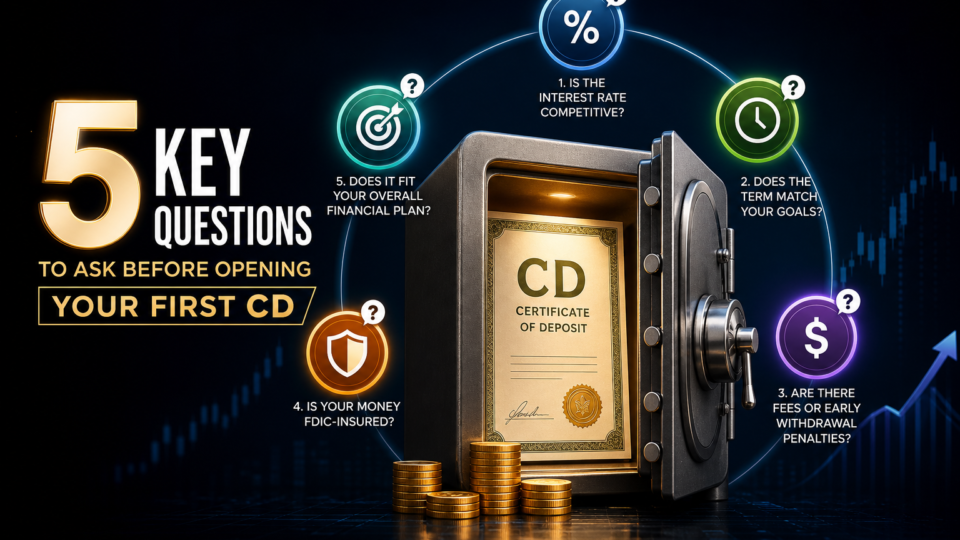
The first time you set aside a chunk of money, it’s easy to get caught up in the thrill of watching your savings grow. Maybe you’ve scrimped and skipped takeout coffees, or maybe a small inheritance just landed in your lap. Whatever the source, you want to make your money work harder than it would in a regular savings account—without losing sleep over risk. That’s when a certificate of deposit, or CD, pops up on your radar. But before you lock up your cash, the fine print can be intimidating: penalties, renewals, insurance rules, and rates you never knew existed. Knowing what to ask before opening your first CD can mean the difference between a smooth, profitable experience and a costly learning curve.
How Safe Is My Money in a CD?
The safety of your deposit is often the first concern, especially if you’re putting in most of your hard-earned savings. The good news: as long as you choose a bank insured by the Federal Deposit Insurance Corporation (FDIC) or a credit union insured by the National Credit Union Administration (NCUA), your deposit is protected up to $250,000 per person, per institution, per ownership category. That means if your bank or credit union were to fail, you’d get your money back up to that limit.
What counts toward that $250,000? All deposit accounts at a single bank, including savings, checking, and CDs, are added together under each ownership category. If you’ve got $200,000 in a savings account and open a $60,000 CD at the same institution in your name only, $10,000 of your total would not be insured. If you’re spreading funds across different banks or ownership categories (such as joint or retirement accounts), each gets a separate $250,000 limit.
Not every type of “investment” is protected just because you buy it from a bank. Stocks, bonds, mutual funds, and annuities—even if purchased from an FDIC-insured bank—are not covered. Before you open a CD, ask the bank to confirm its FDIC or NCUA status. Most reputable institutions display this information on their website or at the branch, but you can always check with the FDIC or NCUA directly if you’re unsure.
What Happens If I Need My Money Early?
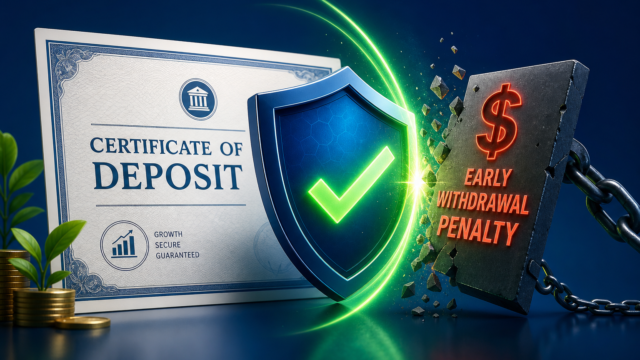
One of the biggest surprises for first-time CD buyers comes when life throws a curveball. Maybe your car breaks down, or you face an unexpected medical bill. If you need to tap your CD before the term ends, you’ll almost always pay an early withdrawal penalty. For a 1-year CD, the penalty is often three months’ worth of interest. For a 5-year CD, losing up to a year’s interest isn’t unusual. In rare cases—especially if you withdraw soon after opening—the penalty might even cut into your principal.
Suppose you put $5,000 into a 1-year CD earning 5% annual percentage yield (APY), and you withdraw halfway through. If the penalty is three months’ interest, you’d lose about $62.50 in earnings. For a 5-year CD with a 12-month penalty, the impact could be much larger, wiping out a year’s worth of growth.
For those who want flexibility, no-penalty or “liquid” CDs may be appealing. These let you withdraw your money after a short lock-in period without facing the usual penalty, though you’ll probably earn a slightly lower rate than with a traditional CD. If you think there’s any chance you’ll need the funds before maturity, a no-penalty product can help you avoid nasty surprises.
Are You Getting the Best Rate and Terms?

It’s tempting to walk into your regular bank and accept whatever CD rate they offer. But in 2025, some online banks were offering APYs above 5% on certain CDs—much higher than what many brick-and-mortar institutions were advertising. A difference of even half a percent can add up, especially if you’re saving thousands of dollars over a few years.
Not all CDs are built the same. Most have fixed rates for the entire term, but there are bump-up or step-up CDs that allow you to raise your rate if market rates go up during your term—a good fit if you’re worried about locking in right before rates rise. Add-on CDs let you make additional deposits after opening, which can be handy if you expect to save more during the CD’s life. Standard CDs generally only take your opening deposit and don’t allow top-ups later.
Before you commit, ask: Is the rate fixed or variable? Can I add money after opening? What penalties apply for early withdrawal? And compare at least three offers, including online options, to make sure you’re not leaving money on the table. Those few extra minutes of research can easily put hundreds of extra dollars in your pocket over time.
Which CD Term and Structure Fit Your Goals?
Choosing the right CD term is about more than chasing the highest rate. If you need the money in six months for a down payment or tuition, locking it up for five years could backfire. Typical CD terms range from as short as one month up to five years, with popular options at 3, 6, 12, 36, and 60 months. Minimum deposits vary, too—some online banks let you start with $250, while others require $1,000 or more.
A smart way to balance access and earnings is to build a CD ladder. For example, if you have $5,000, you might split it into five CDs of $1,000 each: one for 6 months, another for 1 year, then 2, 3, and 5 years. When the shortest CD matures, you can use the money or reinvest in a new 5-year CD. This way, some of your cash becomes available each year, while the longer-term CDs earn higher rates.
Also consider your savings horizon. If you’ll need the money soon, a 6- or 12-month CD makes sense. Reserve longer terms for funds you truly won’t touch for several years. Ask yourself: “When will I need this money?” and “Can I afford to leave it untouched until then?” Matching your CD to your real-world needs helps you avoid costly penalties and frustration.
What Else Should You Check Before Opening?
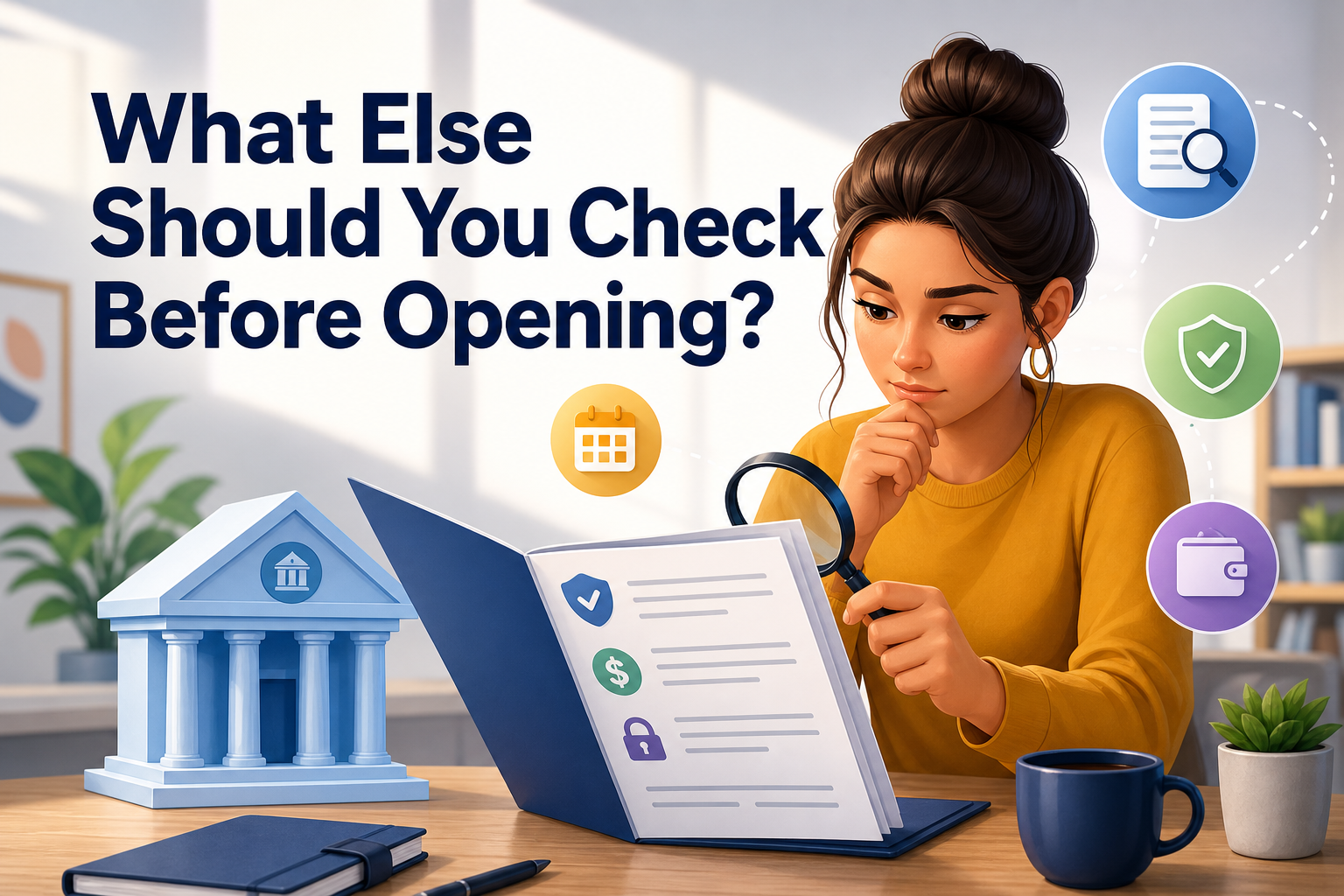
There are a few details that often trip up beginners but make all the difference. First, confirm the annual percentage yield (APY) and whether it’s fixed or can change during the term. Read the fine print on early withdrawal penalties, and make sure you understand exactly how much you stand to lose if you need your money early.
Double-check the minimum deposit required—you don’t want to get to the application page and realize you’re $500 short. Ask how the CD handles interest: Is it compounded monthly or daily? Will it be paid out or added to your balance? Also, verify that your chosen institution is FDIC- or NCUA-insured, and ask how their coverage applies to your total deposit amounts.
Be aware of automatic renewals. Many CDs will roll into a new term by default when they mature, unless you act within a 7- to 10-day grace period. Set a calendar reminder for your CD’s maturity date so you have time to decide whether to withdraw, renew, or try a different term. Finally, keep in mind that CD interest is taxable as ordinary income for the year it’s earned, even if you leave the interest in the CD. If you’re saving a large amount, plan ahead for potential tax implications.
Making Your First CD Work for You
With so many details to juggle, it’s easy to see why first-time savers get overwhelmed. But a clear set of questions ask before opening first cd can help you avoid mistakes and make the most of your money. Before you commit, compare rates and terms across at least three banks or credit unions. Confirm deposit insurance and ask how it applies to your total savings. Read the penalty rules with a careful eye—especially if you might need to access your funds early.
Use product features to your advantage: consider no-penalty or add-on CDs for flexibility, or try laddering if you want both access and growth. Always note your CD’s maturity date and set a reminder for the grace period. If your goals shift or rates in the market change, revisit your choices—your savings plan isn’t locked in forever.
With a bit of homework and the right questions, your first CD can be a stepping stone toward bigger financial goals, not just a locked box. Take a breath, ask the tough questions, and let your money work safely for you.